'ഹിന്ദുക്കൾ പരമ്പരാഗത വസ്ത്രം ധരിക്കണം, പ്രാദേശിക ഭക്ഷണം കഴിക്കണം, ഇംഗ്ലീഷ് സംസാരിക്കരുത്' - ആർഎസ്എസ് മേധാവി മോഹൻ ഭഗവത് കേരളത്തിൽ
അനീസ പിഎയുടെ കഥ
•1ഡി
പൊതുപരിപാടികളിൽ പങ്കെടുക്കുമ്പോൾ ഹിന്ദുക്കൾ പരമ്പരാഗത വസ്ത്രം ധരിക്കണമെന്നും ഇംഗ്ലീഷ് സംസാരിക്കരുതെന്നും ആർഎസ്എസ് മേധാവി മോഹൻ ഭാഗവത്.
കേരളത്തിലെ പത്തനംതിട്ട ജില്ലയിലെ പമ്പാ നദിക്കരയിൽ നടക്കുന്ന ചെറുകോൽപ്പുഴ ഹിന്ദു മഹാസമ്മേളനത്തിന്റെ ഭാഗമായി ബുധനാഴ്ച നടക്കുന്ന 'ഹിന്ദു ഐക്യ സമ്മേളനം' ഉദ്ഘാടനം ചെയ്തുകൊണ്ട് ഭഗവത് പറഞ്ഞു, "ധർമ്മം" ഹിന്ദുമതത്തിന്റെ ആത്മാവാണെന്നും എല്ലാവരും അത് വ്യക്തിപരമായി ആചരിക്കണമെന്നും. ഓരോ കുടുംബവും ആഴ്ചയിൽ ഒരിക്കലെങ്കിലും ഒത്തുകൂടി അവരുടെ നിലവിലെ ജീവിതശൈലി പാരമ്പര്യവുമായി പൊരുത്തപ്പെടുന്നുണ്ടോ എന്ന് പ്രാർത്ഥിക്കണമെന്നും ചർച്ച ചെയ്യണമെന്നും അദ്ദേഹം കൂട്ടിച്ചേർത്തു.
ഹിന്ദു സമൂഹം അതിന്റെ നിലനിൽപ്പിനായി ഒന്നിക്കണമെന്നും ഒരു സമൂഹമായി സ്വയം ശക്തിപ്പെടുത്തണമെന്നും ഭഗവത് പറഞ്ഞു. "എന്നാൽ ശക്തിപ്പെടുത്തലിന് അതിന്റേതായ ഭയങ്ങളുണ്ട്. ശക്തിയും അത് ഉപയോഗിക്കുന്ന രീതിയും പ്രധാനമാണ്. അത് മറ്റാർക്കും ദോഷം വരുത്തരുത്." ലോകമെമ്പാടുമുള്ള സംഘർഷങ്ങൾക്ക് കാരണം മതമാണെന്നും, പലരും തങ്ങളുടെ മതവും വിശ്വാസങ്ങളുമാണ് ഏറ്റവും ഉയർന്നതെന്ന് കരുതുന്നുണ്ടെന്നും അദ്ദേഹം കൂട്ടിച്ചേർത്തു. ഐക്യം ആവശ്യപ്പെടുന്ന സനാതന ധർമ്മം പിന്തുടരുന്നതിനാൽ ഹിന്ദുമതം വ്യത്യസ്തമാണെന്നും അദ്ദേഹം പറഞ്ഞു.
"ചട്ടങ്ങൾ പാലിച്ചുകൊണ്ടാണ് ധർമ്മം ആചരിക്കേണ്ടത്. നിയമങ്ങളുടെ പരിധിക്ക് പുറത്തുള്ള ഏതെങ്കിലും ആചാരങ്ങൾ ഉണ്ടെങ്കിൽ അവ നിർത്തലാക്കണം. ഗുരു (ശ്രീ നാരായണ ഗുരു) പറയുന്നതുപോലെ, ജാതീയതയും തൊട്ടുകൂടായ്മയും ധർമ്മമല്ല. അവ നിർത്തലാക്കണം," ആർഎസ്എസ് മേധാവി പറഞ്ഞു.
കേരളം ആസ്ഥാനമായുള്ള ഹിന്ദുമാതാ മഹാമണ്ഡലം എന്ന സംഘടനയാണ് ചെറുകോൽപ്പുഴ ഹിന്ദു കൺവെൻഷൻ സംഘടിപ്പിക്കുന്നത്. തൊട്ടുകൂടായ്മയ്ക്കെതിരെ പോരാടുന്നതിനുള്ള ഒരു പരിഷ്കരണവാദ സംഘടനയായി 1913-ൽ ചട്ടമ്പി സ്വാമികളാണ് ഈ സംഘടനയെ സങ്കൽപ്പിച്ചത്. പരമ്പരാഗതവും ആചാരപരവുമായ ആചാരങ്ങളുമായി ബന്ധപ്പെട്ട് ഹിന്ദു മതത്തിൽ പരിഷ്കരണം, സ്ത്രീകളുടെയും അരികുവൽക്കരിക്കപ്പെട്ട സമൂഹങ്ങളുടെയും ശാക്തീകരണം എന്നിവയ്ക്കായി സ്വാമികൾ ശ്രമിച്ചു.
ഈ വർഷത്തെ പരിപാടിയുടെ 113-ാമത് പതിപ്പാണിത്. ഞായറാഴ്ച കേരള ജലവിഭവ മന്ത്രി റോഷി അഗസ്റ്റിൻ, പത്തനംതിട്ട എംപി ആന്റോ ആന്റണി, കേരള നിയമസഭയിലെ പ്രതിപക്ഷ നേതാവ് വി.ഡി. സതീശൻ എന്നിവരുടെ സാന്നിധ്യത്തിൽ കേരള ഗവർണർ രാജേന്ദ്ര അർലേക്കർ ഉദ്ഘാടനം ചെയ്തു. ഭഗവത് കൺവെൻഷനിൽ പങ്കെടുക്കുന്നത് സംഘടനയ്ക്ക് ഒരു പദവിയാണെന്ന് ഹിന്ദുമത മഹാമണ്ഡലത്തിന്റെ വൈസ് പ്രസിഡന്റ് അഭിഭാഷകൻ കെ. ഹരിദാസ് പറഞ്ഞു.
Malankara-Jacobite Dispute : Supreme Court Sets Aside HC Direction To Hand Over Churches, Says 'Police Going Inside Religious Places Bothers Us'
Debby Jain
30 Jan 2025 1:30 PM
Malankara-Jacobite Dispute : Supreme Court Sets Aside HC Direction To Hand Over Churches, Says Police Going Inside Religious Places Bothers Us
Listen to this Article
The Supreme Court on Thursday (January 30) set aside the directions of the Kerala High Court which directed the State authorities to take over the possession of six churches from the Jacobite faction and hand them over to the Malankara Orthodox faction.
A bench comprising Justice Surya Kant and Justice N Kotiswar Singh asked the division bench of the High Court to take a fresh decision on the contempt petitions in the light of some of the issues highlighted in today's order.
The bench observed that there was a need to determine the true effect of the previous judgments of the Supreme Court in the Malankara-Jacobite dispute and to ascertain who are the parties bound by those decisions.
The bench also shared its concerns about police officers going to religious places to take them over. The order was dictated as follows :
It seems to us that the High Court, while entertaining the contempt proceedings, need to determine some of the relevant issues, including :
i. What is the true import of the decisions of this court?
ii. Who are the parties who shall be bound by the dictum of this Court?
iii. Whether the decree which attained finality has been satisfied/fulfilled, if not, which part of the decree remains unfulfilled and what remedial action in that regard are required to be taken
iv. What is the legal impact of The Kerala Right to Burial of Corpse in Christian (Malankara-Orthodox- Jacobite) Cemeteries Act, 2020 on the pending contempt petitions?
iv. Should the High Court in a dispute relating to religious affairs direct the civil administration to take over religious place and to what extent such an intervention is desirable in the public interest
Since we find that all the said questions require fresh consideration by the High Court, we remit the matter to the division bench to decide the fate of contempt petitions afresh after hearing all parties concerned."
The bench clarified that it has not expressed anything on merits and left it to the High Court to take its own independent decision. It also clarified that the interim exception given to the State's officers from appearance in the contempt petitions would continue to operate.
After the order was dictated, Senior Advocate KK Venugopal, for the Malankara side, requested the bench to keep the order in abeyance, saying that it has the effect of reopening the settled disputes and keeping things in a "flux." Venugopal pointed out that the present bench in December 2024 hearing, had observed that the Jacobite side was in contempt of the Court directions and that the State was bound to execute the judgment of the Supreme Court. "Each of these questions will go against your lordships' orders. Please keep these orders in abeyance till the matter is decided," Venugopal pleaded.
However, the bench said that it preferred to have the benefit of the High Court's judgment on the issues and expressed concerns about police intervention.
"We hope you will appreciate why we are sending the matter back...let's hope Court will find some mechanism...police force help, police going inside the religious place is what is bothering us. That's why we are hoping HC would find out some mechanism," Justice Kant said.
Following Venugopal's submissions, the bench clarified in its order that the High Court can pass directions for the enforcement of the Supreme Court judgements if it is found that they have not been complied with.
"HC will be free to pass appropriate orders for enforcement of the Court orders wherever it is found that they have not been given effect to in true letter and spirit," the bench added.
When the hearing started, Senior Advocate Kapil Sibal, for the State of Kerala, handed over in a sealed cover the data regarding the population of both the communities, the churches/assets under their control and the churches under dispute. The Court had earlier sought for the data from the State. The Court today returned the said information furnished by the State, saying that it was not necessary for the disposal of the present matters.
Senior Advocates KK Venugopal, Krishnan Venugopal and Chander Uday Singh, for the Malankara side, argued that the issue was conclusively settled by the judgments of the Supreme Court and that the Jacobite site was bound to hand over the churches in terms of the Court verdicts. They also informed the Court that they have approached the High Court challenging the law passed by the State in 2020 regarding the burial rights of Jacobite members in Malankara churches.
Senior Advocate Shyam Divan, for the Jacobite side, submitted that the judgments of the Supreme Court were rendered in suits filed in respect of certain specific churches and hence, the decrees would apply only to those churches. He stated that those churches were handed over in the execution of the decrees. If the Malankara side has to lay claim to other churches, they have to institute fresh suits and cannot file writ petitions seeking to take over the church under the guise of the Supreme Court judgments. "In matters of religious faith, where courts' understanding is limited, a Court ought to restrain itself from issuing coercive directions," Divan submitted.
Background
The bench was hearing the petitions filed against the Kerala High Court's direction directing the officials to take over the administration of three churches each in Ernakulam and Palakkad districts from the Jacobite group. On December 3, 2024, the Supreme Court, observing that the Jacobite members were prima facie in contempt, directed them to hand over the administration of six churches. The Court also asked the Malankara sect to allow the Jacobite members to use the schools and burial grounds in the church compound.
Subsequently, the Malankara side raised objections saying that Jacobite rituals cannot be allowed within burial sites. On December 17, the Court passed an order of status quo with respect to the management and administration of the churches, as they existed on the date. It further asked the State to furnish the data regarding the population( preferably sub-region/gram panchayat-wise) of both Orthodox and Jacobite denominations; the list of churches under the complete administrative control of both the sections; the list of churches where the management is under dispute and their current status of administrative control.
After the Malankara side raised apprehensions that the publication of the data might lead to problems within the communities, the Court subsequently asked the State to not publish or circulate data regarding the population, assets and churches belonging to both the factions.
The High Court's order related to St.Mary's Orthodox Church, Odakkal, St.John's Besphage Orthodox Syrian Church, Pulinthanam and St.Thomas Orthodox Church, Mazhuvannoor in Ernakulam District and St.Mary's Orthodox Church, Mangalam Dam, St.Mary's Orthodox Syrian Church, Erickinchira and St.Thomas Orthodox Syrian Church, Cherukunnam in Palakkad District.
Case Details: V Venu and others v. St.Mary's Orthodox Church (Odakkal Palli)., SLP(C) No. 26064-26069/2024
Tags
Justice Surya KantJustice N Kotiswar SinghMalankara Orthodox-Jacobite Church DisputeJacobite Orthodox Church FeudMalankara Orthodox Church
The Supreme Court today(January 22) reserved the order in a Special Leave Petition challenging the High Court of Chattisgarh's order dated January 9, 2025, whereby, the Court rejected the petitioner's plea to bury his father, who was a Christian pastor, in the Chindwara village graveyard.
During the hearing, the Supreme Court said that utmost importance must be given to the right of decent burial to the dead and therefore, it wants the matter to be settled amicably.
Today, Solicitor General Tushar Mehta, appearing for the State of Chattishgarh along with the State's Advocate General filed a new affidavit and emphasised its arguments made in the last proceedings that the burial should take place in the designated area for the Christian Tribals, which is about 20-30 kilometers away from the present village. He argued that it is a matter of public order for the State and therefore, it has to be handled sensitively. However, a bench of Justices BV Nagarathna and Satish Chandra Sharma questioned how all of sudden there are objections from the Hindu Tribals when for years nobody raised objections to the burial of Christian Tribals and Hindu Tribals together.
Justice Nagarathna remarked that the objections by "so-called" villagers are a "new phenomenon". Senior Advocate Colin Gonsalves, for the petitioner, took the Court through revenue maps and argued that there are many cases where the Christian Tribals have been buried in the village itself. He answered that this case is treated differently because the person was converted. He took the Court through the counter-affidavit filed by the State and pointed out that the State has honestly accepted the argument that a converted person will not be allowed to be buried in the village.
Gonsalves argued that this is "patent discrimination" which has resulted in "communalism" of the dead person.
When Justice Nagarathan suggested that the alternative prayer of the petitioner to bury his father in his own private land could be considered, Mehta objected to it and stated that burials can take place only at the designated places. He pressed that the person be buried in the Karkapal village(different from the native village) with proper Christian rites and the State will provide ambulance and police protection. However, Gonsalves rejected this argument and he emphasised that the petitioner will bury his father where their ancestors have been buried. He warned that if anything else is allowed otherwise, it will set the beginning of such cases where Dalit persons, if converted, will not be allowed to bury the body in their village.
On January 20, the Court briefly heard the matter and expressed that it is pained by the fact that the State and the High Court have been unable to resolve the issue and that the man was forced to come to the Supreme Court to bury his father. It also called out the Chattisgarh High Court for taking shelter of public order and not being able to pass an appropriate order to resolve the issue.
Brief background
As per the petition, the petitioner is a Tribal Christian. His father died on January 7 due to prolonged illness and old age illness after which, their family wanted to hold the last rites and bury his mortal in the area specified for Christians in the village graveyard. As per the SLP, some villagers aggressively objected to it and threatened them with dire consequences if the petitioner carried out the burial in the village graveyard.
When the villagers turned violent, the petitioner's family made a report to the police however the police exerted pressure on them to take the body out of the village. As a result of which, the body has been lying in the mortuary since January 7.
"The petitioner, village Chhindawada has a graveyard orally allotted by the traditional Gram Panchayat for burial/cremation of dead bodies. In this village, there are separate graveyards for Tribals and other Castes (Mahra). The separate areas are earmarked for the burial/cremation of persons belonging to the Hindu religion and for persons belonging to the Christian community in the graveyard of Mahar Caste. In the area specified for Christians, the petitioner's Aunt---- & Grandfather --- have been buried in the said village graveyard," the plea states.
As per the High Court, there is no separate burial ground for the Christians in the Chhindawala village but a separate burial ground is available for them in village Karkapal, which is situated at a distance of 20-25 km. It observed: "considering the fact that burial ground/graveyard of Christian community is available in nearby area, it will not be proper to grant relief as sought for by petitioner in this writ petition, which may cause unrest and disharmony in the public at large.”
On January 17, a bench of Justices B.V. Nagarathna and Satish Chandra Sharma issued notice to the State of Chhattisgarh.
A recap of previous hearing
On January 20, Mehta, for the State, stated that the body could be buried at the State's expense but 20 km outside the village where there is a burial ground for Christians. Mehta clarified that the village burial ground is only for Hindu tribals as per their rituals. He claimed that this position is supported by statutory rules. He further argued that the issue should not be decided on "emotions" as the intention is to make this a precedent to be followed throughout India. He added that this is an "Article 25 matter" and would be subjected to public order.
As per the State's counter affidavit filed in this case, any person who has foresworn the traditions of the community or has converted into a Christian is not allowed to be buried in the village graveyard.
However, Justice Nagarathna questioned why a person who has lived in a village not be buried there. She also questioned why for so long, no objection was raised against those Christian tribals that have been buried. Alternatively, she pointed out that the petitioner may be allowed to bury his father in his own private land. This too was opposed by Mehta stating that is prohibited because after burial, the "character of land" becomes "sacred".
Gonsalves stated that the State's counter-affidavit makes it clear that they have admitted the fact that the petitioner's relatives were buried in the village graveyard. He also showed the photos where his relatives were buried but with a 'cross' mark in the village graveyard. He added that the real issue is that the person was converted.
While Gonsalves accused the State is trying to "break with the tradition of secularism," Mehta claimed that they want to "start [this practice] at all India level" so that there is disturbance between "tribals who have converted and tribal who have not converted." Against this, Gonsalves responded that there are "communal elements" trying to create disturbance and stated that this in infact a movement "kick Christians away". Gonsalves added that a "very dangerous precedent" is being laid that "if you convert, you will have to go out of the village".
While the arguments between Gonsalves and Mehta continued, the Court expressed its concern about the lack of dignity afforded to a dead man. She said: "Mr. Solicitor, we are very sorry a man has to come to the Supreme Court to have his father [buried]. We are sorry to say, neither the Panchayat nor the State Government and either the High Court has [been] able to resolve this problem. And the High Court taking shelter and saying there would be law and order problem. We are pained by that. If the [High] Court and the State cannot resolve such a matter..We are pained for this person had to come to the Supreme Court to get his father buried."
Case Details: RAMESH BAGHEL v. STATE OF CHHATTISGARH AND ORS., SLP(C) No. 1399/2025
Appearances: Senior Advocate Colin Gonsalves and Advocate Umesh Kumar
After split verdict, SC orders officials to bury pastor in designated graveyard
The Hindu Bureau
NEW DELHI
Two judges on a Division Bench of the Supreme Court were on Monday un
able to reach a consensus on the place of burial of a pastor in Chhattisgarh. The body has been lying in a morgue for over three weeks since his death on January 7.
The lead judge on the Bench, Justice B.V. Nagarathna, directed the authorities to permit pastor Subhas Baghel to be buried in the private agricultural land of the family at its village of Chhindawada in Maoist-hit Bastar district.
However, the puisne judge on the Bench, Justice Satish Chandra Sharma, did not agree with Justice Nagarathna.
Justice Sharma, in a separate opinion, directed that the burial be conducted only in the designated Christian graveyard at Karkapal, which was 25 km from Chhindawada.
Usually, a split verdict would see the Bench refer the case to the Chief Justice of India for constitution of a three-judge Bench to hear it afresh. However, Justices Nagarathna and Sharma employed the top court’s extraordinary powers under Article 142 of the Constitution to bring a quietus to the case.
Noting that the body had been lying in the mortuary for three weeks and deserved a dignified funeral, the Bench finally directed that the burial be held at the designated Christian graveyard in Karkapal at the earliest. The court ordered the family to be given police protection.
In her opinion, Justice Nagarathna noted that the dispute over the burial of the pastor, who belonged to the Christian community and had converted from the Mahra caste, would not have arisen had the gram panchayat allotted the community an exclusive burial ground.
‘Violation of right’
Justice Nagarathna made scathing comments of how the local body’s lapse in providing an exclusive burial ground for the community smacked of discrimination. It violated the right to equality before law and equal protection by the laws. The absence of a graveyard was against the right to dignity under Article 21 of the Constitution.
The judge noted that the panchayat’s conduct amounted to a “betrayal of the sublime principles of secularism”.
Justice Sharma pointed out that rights were subject to procedures established by the law. The Chhattisgarh State laws provided for designated burial/cremation places.
Ramesh Baghel, the pastor’s son, had approached the top court after the Chhattisgarh High Court refused his plea for burial in an area meant for Christians in the graveyard at Chhindawada. The petitioner had said his family and ancestors had been residing in the village since time immemorial.
ഓൺലൈൻ ട്രേഡിങ് ആപ്പിലൂടെ തട്ടിപ്പ്; അന്വേഷണം വ്യാപിപ്പിച്ചു
അമിതലാഭം വാഗ്ദാനം ചെയ്ത് ഓൺലൈൻ മൊബൈൽ ടേഡിംഗ് ആപ്ലിക്കേഷനിലൂടെ നടത്തിയ തട്ടിപ്പിൽ വൈദികന് ഒന്നര കോടി രൂപ നഷ്ടപ്പെട്ട സംഭവത്തിൽ പൊലീസ് അന്വേഷണം വ്യാപിപ്പിച്ചു കേരളത്തിന് പുറത്തുള്ള സംഘമാണ് തട്ടിപ്പ് നടത്തിയതെന്നാണ് പ്രാഥമിക നിഗമനം. വൈദികൻ ഇതുവരെ നടത്തിയ ഓൺലൈൻ ഇടപാടുകളെ സംബന്ധിച്ചും ബന്ധപ്പെട്ട കമ്പനികളെ സംബന്ധിച്ചുള്ള വിവരങ്ങളും ബാങ്ക് ഇടപാടുകളുടെ വിശദാംശങ്ങളും കൈമാറാൻ പൊലീസ് ആവശ്യപ്പെട്ടിട്ടുണ്ട്. കാസർകോടുള്ള ഫെഡറൽ ബാങ്കിന്റെ ശാഖയിലാണ് വൈദികന് അക്കൗണ്ടുള്ളത്. ഇതിൽ നിന്നാണ് കേരളത്തിന് വെളിയിലുള്ള 15 ഓളം വിവിധ ബാങ്ക് അക്കൗണ്ടുകളിലേക്ക് ഇദ്ദേഹം പണം നിക്ഷേപിച്ചത്. ഈ ബാങ്കുകളുമായി ബന്ധപ്പെട്ട് നടന്ന ഇടപാടുകളുടെ വിശദാംശങ്ങൾ തേടി പൊലീസ് ബാങ്കുകൾക്ക് നോട്ടീസ് നൽകിയിട്ടുണ്ട്. കാസർഗോഡ് സ്വദേശിയായ കോതനല്ലൂർ തുവാനീസാ പ്രാർഥന ഡയറക്ടറായ ദിനേഷ് കുര്യനാണാണ് (37)പണം നഷ്ടമായത്.
1.41 കോടി രൂപ തട്ടിയതായി
വൈദികൻ പൊലീസിൽ നൽകിയ പരാതിയിൽ പറയുന്നു. കഴിഞ്ഞ ഒരു മാസത്തിനിടെ നടന്ന ഇടപാടിലാണ് തുക നഷ്ടമായത് . ദീർഘകാലമായി ഓൺ ലൈൻ ഷെയർ മാർക്കറ്റിങ് കമ്പനികളുമായി ബന്ധപ്പട്ട സാമ്പത്തിക ഇടപാടുകൾ നടത്തുന്ന ആളാണ് വൈദികൻ. ആ കമ്പനിയുടെ ഭാഗമായി ഒരു വാട്ട്സാപ്പ് ഗ്രൂപ്പിലേക്ക് ചേർത്താണ് തട്ടിപ്പിന് കളമൊരുക്കിയത്. വീടു നിർമിക്കാൻ വച്ചിരുന്ന 70 ലക്ഷവും കടം വാങ്ങിയ 45 ലക്ഷവും ,സ്വർണം പണയം വച്ചു കിട്ടിയ 31 നിക്ഷേപിച്ചതെന്നാണ് വൈദികൻ പറയുന്നത്.
പരാതി നൽകിയ സമയത്ത് ട്രേഡിങ്ങിനായി വിവിധ ബാങ്ക് അക്കൗണ്ടുകളിൽ നിക്ഷേപിച്ച 28 ലക്ഷം രൂപ പൊലീസ് ഇടപെട്ട് മരവിപ്പിച്ചിട്ടുണ്ട്. ഈ തുക വൈദികന് തിരികെ കിട്ടാൻ നടപടി സ്വീകരിച്ചതായി കടുത്തുരുത്തി എസ്എച്ച്ഒ ടി കമ്പ എസ് റെനീഷ് പറഞ്ഞു. വാട്സാ വാട്സാപ്പ് വഴി വന്ന മൊബൈൽ അപ്പിന്റെ ലിങ്ക് ഡൗൺലോഡ് ചെയ്താണ് കമ്പനിയുമായി വൈദികൻ ബന്ധപ്പെട്ടത്.
Kerala High Court held that a “Diocese is not entitled to claim compensation for the death of a deceased priest.”
Justice C. Pratheep Kumar made this observation in an appeal filed by the insurance company against the grant of insurance money to the Diocese over the death of a priest from road accident. The deceased was travelling in a motor bike when he was hit by a lorry and succumbed to the injuries.
The lorry had a valid insurance coverage. The Motor Accidents Claims Tribunal awarded a compensation of Rs. 13,19,000. Against this the appeal was filed.
The original case was filed by a priest of St. Joseph Capuchian Provincialate on behalf of the Provincialate. The deceased was the member of the same provincialate.
The insurance company argued that the Provincialate cannot be considered as the legal representative of the deceased and therefore the clam filed on behalf of the Provincialate is not maintainable.
The petitioner relied on the Supreme Court decision in Jayasree N. and Others v Cholamandalam MS General Insurance Company Ltd. (2021) where the Court had observed that the Supreme Court in an earlier decision in Montford Brothers of St. Gabriel and Another v United India Insurance and Another (2014) had allowed a society to claim compensation for the death of a 'brother' of the society. This argument was refuted by the appellant saying that there was no such observation in Montford Brothers.
The High Court held after going through that the judgment in Montford Brothers held that the Supreme Court did not adjudicate on the issue whether the charitable society can represent the 'brother'. The High Court held that the observations of the Supreme Court in this issue can be considered only as an obiter.
The High Court relied on the Division Bench decision of the Court in Msgr Xavier Chullickal v C. G. Raphael (2017) where it was held that a Christian priest is governed by Indian Succession Act and he can receive and alienate property in his name. It was also held in that case that the Indian Succession Act had an overriding effect over canon laws/ personal laws.
The Appeal was accordingly allowed.
Counsel for the Appellants: Adv. VPK. Panicker
Counsel for the Respondents: Adv. S. Sachithananda Pai
Case No: MACA 3957 of 2015
Case Title: The New India Insurance Co. Ltd. v Fr. Mathew Paikada
സഭാക്കേസ്: മുൻ ഉത്തരവ് പ്രശ്നം സൃഷ്ടിക്കാൻ ആയിരുന്നില്ലെന്ന് കോടതി
2017 ലെ വിധിയിൽ പരിശോധിച്ചത് അന്നു കേസിൽ പരാമർശിക്കപ്പെട്ട പള്ളികളുമായി മാത്രം
മനോരമ ലേഖകൻ
ന്യൂഡൽഹി • സഭാക്കേസിൽ ഉത്തരവുകൾ പ്രശ്നം സൃഷ്ടിക്കാനല്ല, പ്രശ്ന പരിഹാരം ഉദ്ദേശിച്ചായിരുന്നുവെന്നു സുപ്രീം കോടതി വാക്കാൽ വ്യക്തമാക്കി. 2017 ലെ വിധി അന്നു കേസിൽ പരാമർശിക്കപ്പെട്ട പള്ളികളുമായി ബന്ധപ്പെട്ട തർക്കത്തെ തുടർന്നുള്ളതാണെന്നു ജസ്റ്റിസ് സൂര്യകാന്ത് അധ്യക്ഷനായ രണ്ടംഗ ബെഞ്ച് പറഞ്ഞു. സംസ്ഥാനത്താകെയുള്ള കാര്യം 2017 ലെ വിധിയിൽ പരിശോധിച്ചില്ലെന്നും കേരളത്തിനു പുറത്തും പള്ളികളുണ്ടാകാമല്ലോയെന്നും കോടതി പറഞ്ഞു. കർണാടകയിലും ഗോവയിലും തമിഴ്നാട്ടിലും ഉൾപ്പെടെ എന്താണ് ഇക്കാര്യത്തിൽ സംഭവിക്കുന്നതെന്ന് അറിയേണ്ടതുണ്ടെന്നും കോടതി പറഞ്ഞു.
എന്നാൽ, സഭാതർക്കത്തിലെ വിഷയങ്ങൾ സുപ്രീം കോടതിയുടെ വിവിധ ബെഞ്ചുകൾ തീർപ്പാക്കിയതാണെന്നു ഓർത്തഡോക്സ് സഭ മറുപടി നൽകി. തങ്ങളും അതു ചോദ്യം ചെയ്യുന്നില്ലെന്നു ബെഞ്ച് പറഞ്ഞു. കേസിൽ ഇന്നലെ ഒന്നര മണിക്കൂറോളം വാദം നീണ്ടു. വിഷയത്തിൽനിന്നു വഴുതി മാറിപ്പോകുന്നുവെന്ന നിരീക്ഷണത്തോടെ ബെഞ്ച് തന്നെയാണ് കേസ് വിശദ വാദത്തിനായി മാറ്റിയത്.
മൃതദേഹം സംസ്ക്കരിക്കുകയെന്ന ലക്ഷ്യത്തോടെ യാക്കോബായ വിഭാഗം അവരുടെ വിശ്വാസപ്രകാരം ഉപയോഗിക്കുന്നതിൽ കുഴപ്പമെന്താണെന്നു; കോടതി ചോദിച്ചു. അതിൽ ഗൗരവമേറിയ പ്രശ്നമുണ്ടെന്നായിരുന്നു ഓർത്തഡോക്സ് സഭയുടെ മറുപടി. സംസ്കാരം മാത്രമായി ഓർത്തഡോക്സ് പള്ളികളുടെ ഭാഗമായ സെമിത്തേരിയിൽ നടത്തുന്നതിനെ എതിർക്കുന്നില്ല. ഇഷ്ടാനുസരണം വൈദികനെ വച്ചു മറ്റൊരിടത്തു ശുശ്രൂഷ നടത്തി വേണം ഇതെന്നു വ്യക്തമാക്കി സത്യവാങ്മൂലം നൽകിയിരുന്നതായും അവർ ചൂണ്ടിക്കാട്ടി.
തർക്കമുള്ള പള്ളികളിൽ ഇരു വിഭാഗത്തിനുമുള്ള അംഗബലം യാക്കോബായ സഭ ഉന്നയിച്ചു. ഈ ഘട്ടത്തിൽ സംസ്ഥാനത്താകെ ഇരുവിഭാഗത്തിലുമുള്ള വിശ്വാസികളുടെ എണ്ണം ലഭ്യമാണോ എന്നു കോടതി ആരാഞ്ഞു
തർക്കത്തിലുള്ള പള്ളികളുടെ കാര്യം സംസ്ഥാന സർക്കാരിന്റെ സത്യവാങ്മൂലത്തിൽ നിന്ന് യാക്കോബായ സഭയുടെ അഭിഭാഷകൻ വായിച്ചു കേൾപ്പിച്ചു. തുടർന്നാണു സംസ്ഥാനത്തെ മൊത്തം കണക്ക് വേണമെന്ന നിലപാടിലേക്കു കോടതി എത്തിയത്.
വിശ്വാസികളുടെ കണക്കെടുപ്പും മറ്റും കോടതിയുടെ മേൽ നോട്ടത്തിൽ മുൻപു നടന്നിട്ടുള്ളതാണെന്നും വീണ്ടും അതിന്റെ ആവശ്യം ഇല്ലെന്നും ഓർത്തഡോക്സ് സഭ പറഞ്ഞു. ഓർത്തഡോക്സ് സഭയ്ക്കായി സി.യു. സിങ്, കൃഷ്ണൻ വേണുഗോ പാൽ, ഇ.എം. സദറുൽ അനാം, എസ്. ശ്രീകുമാർ എന്നിവരും യാക്കോബായ സഭയ്ക്കായി രഞ്ജിത് കുമാർ, ശ്യാം ദിവാൻ, പി.വി. ദിനേശ്, എ. രഘുനാഥ്, പി.കെ.മനോഹർ എന്നിവരും സംസ്ഥാന സർക്കാരിനു വേണ്ടി കപിൽ സിബൽ, സ്റ്റാൻഡിങ് കൗൺസൽ സി.കെ. ശശി എന്നിവരും ഹാജരായി
കോടതി ആവശ്യപ്പെട്ട വിവരങ്ങൾ
പഞ്ചായത്ത് അല്ലെങ്കിൽ സബ്ഡിവിഷൻ അടിസ്ഥാനത്തിൽ യാക്കോബായ, ഓർത്തഡോക്സ് വിഭാഗങ്ങളുടെ ജനസംഖ്യ
പഞ്ചായത്തിൽ അല്ലെങ്കിൽ സബ് ഡിവിഷനിൽ ഇരു വിഭാഗത്തിനുമുള്ള പള്ളികൾ
ഓരോ വിഭാഗത്തിനും പൂർണ ഭരണച്ചുമതലയുള്ള പള്ളികൾ
തർക്കത്തിലുള്ള പള്ളികൾ ഏതെല്ലാം, അവയുടെ ഭരണച്ചുമതലയുടെ നിലവിലെ സ്ഥിതി
സഭാക്കേസ്: വിശ്വാസികളുടെ എണ്ണമെടുക്കണമെന്ന് കോടതി
അനുരഞ്ജനമാണു വേണ്ടതെന്ന് സംസ്ഥാന സർക്കാർ: ശ്രമം തുടരണമെന്ന് സുപ്രീം കോടതി
മനോരമ ലേഖകൻ
ന്യൂഡൽഹി • കേരളത്തിൽ ഓർത്തഡോക്സ്, യാക്കോബായ സഭകളിൽപെട്ട വിശ്വാസികളുടെ എണ്ണമെത്ര, പള്ളികളുടെ നിയന്ത്രണം ആർക്ക് തുടങ്ങിയ വിവരങ്ങൾ അറിയിക്കാൻ സംസ്ഥാന സർക്കാരിനോടു സുപ്രീം കോടതി നിർദേശിച്ചു. ഭരണക്കൈമാറ്റം സംബന്ധിച്ചു തർക്കമുള്ള 6 പള്ളികളുടെ വിഷയത്തിൽ ജനുവരി 29, 30 തീയതികളിൽ വിശദമായി വാദം കേൾക്കും.
കേസ് വീണ്ടും പരിഗണിക്കും വരെ തൽസ്ഥിതി തുടരാനും ജഡ്ജിമാരായ സുര്യകാന്ത്, ഉജ്വൽ ഭുയാൻ എന്നിവരുടെ ബെഞ്ച് വാക്കാൽ നിർദേശിച്ചു. തൽസ്ഥിതി തുടരണമെന്ന നിർദേശം മറ്റു തരത്തിൽ വ്യാഖ്യാനിക്കപ്പെടുമെന്നും ക്രമസമാധാന പ്രശ്നങ്ങൾ ഉണ്ടാകാമെന്നും ഓർത്തഡോക്സ് സഭ വാദത്തിനിടെ പല തവണ പറഞ്ഞു. അത്തരം സാഹചര്യത്തിൽ ആവശ്യമെങ്കിൽ സർക്കാരിന് ഇടപെടാമെന്നു കോടതി മറുപടി നൽകി.
ഇടവകാംഗങ്ങളുടെ കണക്കുകളിൽ പൊരുത്തക്കേടുള്ളതിനാൽ ഇരുവിഭാഗത്തിനും പാരിഷ് രജിസ്റ്റർ ഹാജരാക്കാം. ഇരു വിഭാഗങ്ങളും തമ്മിലുള്ള അനുരഞ്ജനമാണു വേണ്ടതെന്നു സംസ്ഥാന സർക്കാരിനു വേണ്ടി ഹാജരായ കപിൽ സിബിൽ പറഞ്ഞപ്പോൾ തർക്കപരിഹാരത്തിനുള്ള ശ്രമം സർക്കാർ തുടരണമെന്നു കോടതി ആവശ്യപ്പെട്ടു.
എറണാകുളം, പാലക്കാട് ജില്ലകളിലെ പള്ളികളുടെ ഭരണച്ചുമതല കൈമാറ്റവുമായി ബന്ധപ്പെട്ട കേസിലെ വിഷയങ്ങളാണ് തങ്ങൾ പരിഗണിക്കുന്നതെന്നു കോടതി വിശദീകരിച്ചു. ഈ പള്ളികളുടെ ഭരണം ഓർത്തഡോക്സ് സഭയ്ക്കു കൈമാറാൻ കോടതി ഈ മാസം മുന്നിനു യാക്കോബായ സഭയോടു നിർദേശിച്ചിരുന്നു. ആ ഉത്തരവു നിലനിർത്തണമെന്നു ഓർത്തഡോക്സ് സഭ ഇന്നലെ ആവശ്യപ്പെട്ടെങ്കിലും കോടതി അംഗീകരിച്ചില്ല. ഉത്തരവു പാലിക്കുന്ന കാര്യത്തിൽ ഇരുകക്ഷികളും നേരിട്ടോ അല്ലാതെയോ എതിർപ്പ് അറിയിച്ചുവെന്നും കോടതി നിരീക്ഷിച്ചു.
തർക്കത്തിലുള്ള പള്ളികൾ ഓർത്തഡോക്സ് വിഭാഗത്തിനു വിട്ടുകൊടുക്കണമെന്ന് നിർദേശിച്ചുള്ള ഉത്തരവിൽ സെമിത്തേരി, പള്ളികൾ, സ്കൂളുകൾ എന്നിവ എല്ലാ വിഭാഗത്തിനും ഉപയോഗിക്കാമെന്നു കോടതി വ്യക്തമാക്കിയിരുന്നു. എന്നാൽ, സംസ്കാര ശുശ്രൂക്ഷകൾക്കു സെമിത്തേരികൾ ഉപയോഗിക്കാൻ അനുവദിക്കുന്നതിനോടു വിയോജിപ്പുണ്ടെന്നും അതിനാൽ ഉത്തരവു പരിഷ്കരിക്കണമെന്നും ഓർത്തഡോക്സ് സഭ സത്യവാങ്മൂലം നൽകിയിരുന്നു.
“I have seen a lot of articles lately saying that genetics proves the existence of the Biblical Adam and Eve. Is this true?”
No, it is not true. Scientists can trace our maternal and paternal lines back to a woman and man who lived a long time ago, but they are not the Biblical Adam and Eve. People refer to these two individuals as “mtEve” and “Y-Adam,” for reasons we’ll explain below.
Fossil evidence shows us that these two individuals were part of a whole population of our ancestors-- they were definitely not alone on Earth. And instead of living 6000 years ago as some would have us believe, our DNA suggests that these two lived more than 100,000 years ago.
Given this information, there is no reason to believe they ever met, or even lived in the same region of Earth. In fact, they exist only because of simple statistics.
But how can we know how long ago these two lived? After all, no one alive today was around to tell us their story.
We can figure it out by comparing lots of different people’s DNA. Because our DNA changes as it is passed from parent to child at a pretty constant rate, we can figure out how long ago everyone had the same starting DNA. These changes mark the age of a piece of DNA like ticks on a clock.
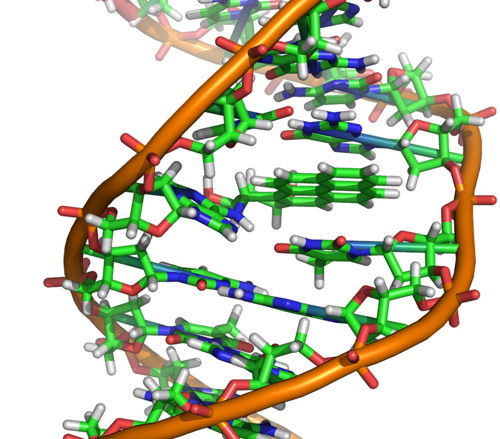
Mutations are changes in your DNA sequence. They can be caused by exposure to radiation, certain chemicals, or simply mistakes made by the cell’s machinery when copying or maintaining its DNA. Via Wikimedia Commons
Mutations and the Age of DNA
You might be surprised that DNA can change over time. But it does. It is where all the wonderful diversity of the natural world comes from.
For the most part, the forces that change our DNA, like UV light from the sun, and the cell’s mistakes when copying DNA, don’t change very much. Unless something like Chernobyl happens, mutations happen at a pretty constant rate generation after generation.
What this means is we can count the changes in a piece of DNA to figure out how old it is. If we get 10 new changes (or mutations) in a generation, and there have been 100 mutations, then it has been ten generations. This is basically the idea behind the “molecular clock.”
Because of how our DNA works, we can’t trace just any DNA back thousands of years. We can really only use the Y-chromosome to find “Y-Adam” and mitochondrial DNA (mtDNA) to find mtEve.
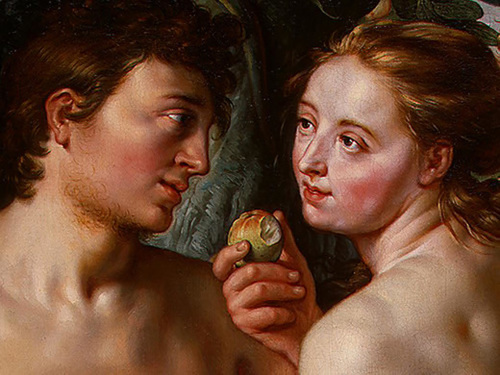
Y-Adam and mtEve are just nicknames for the most recent common ancestors of our maternal and paternal lines. They are NOT the Biblical couple from the Garden of Eden. Via Flickr
When we look at this DNA, we can see that Y-Adam and mtEve were almost certainly not the Biblical couple. If these two really lived together 6000 years ago, then scientists would have miscalculated the mutation rate really badly.
To get these two on Earth as recently as 6000 years ago, we’d need a mutation rate 40 times higher than the one scientists have actually calculated.
There is no reason to think that there was such a high rate of mutation at any point in the last few thousand years. In fact, a different group of researchers used family trees to look back 800 years and they saw the same mutation rate predicted by the scientists.
How Scientists Did it
Of course, backtracking DNA 100,000 years isn’t that easy. Let’s focus on finding Y-Adam’s age first, but the same principles apply to mtEve.
Scientists had huge problems facing them when searching for Y-Adam’s age.
First, we don’t have Y-Adam’s DNA to compare. We had to figure out what his chromosome looked like based on the DNA of many men alive today.
To solve this, researchers used powerful computer programs that compare the Y-chromosomes of men living today to put together Y-Adam’s chromosome. Of course, they couldn’t look at the Y chromosome of every man on the planet.
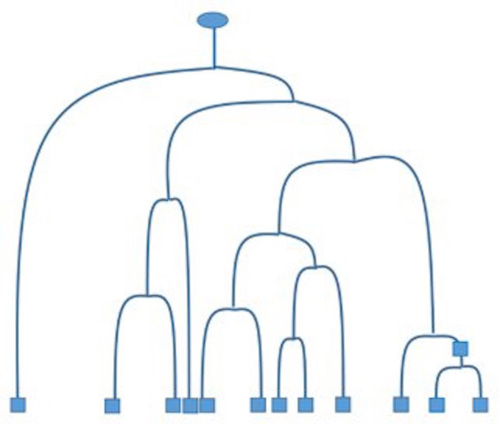
Instead, they used a group of about 70 men from many different areas of the world to try to represent as many people living today as possible. The computer takes these DNAs and puts them in order of ancestry based on their similarities and differences. The result is a tree (called a phylogenetic tree), that shows which Y chromosomes are mutated versions of others.
In other words, it shows the order in which each version of the Y chromosomes appeared. This tree looks roughly like this:
Phylogenetic trees allow us to understand the order of ancestry.
Each branching is a new change added to the chromosome being passed on from father to son. The squares at the bottom represent men living today from different areas of the world and the circle at the top is their most recent common ancestor, or Y-Adam.
We only know the sequences of the Y’s from men alive right now, but the computer can guess or extrapolate the sequences in between them and Y-Adam. It also gives us a pretty good guess as to the sequence of Y-Adam’s own chromosome.
This is only the first step though. We now have to figure out how long it took to get from Y-Adam’s DNA to the DNA we see today. For this we need to know how many new changes a Y chromosome gets per generation. Once we have the mutation rate, we can calculate the years it took to get from Y-Adam’s sequence to those we see today.
Using a variety of methods (click here and here for two examples), scientists have calculated the mutation rate of the Y-chromosome and of mtDNA. They then used the sequences they reconstructed for Y-Adam and mtEve to figure out how many changes there have been since then.
Next, they divide the number of changes they found by the mutation rate (in number of changes per generation) to get the number of generations.
In order for the ages of Y-Adam and mtEve to be as young as 6000 years, the generation time would have to be less than one year – which we know is impossible. (This would mean parents have a child, which then gives birth to its own child within one year, and so on).
So the only possible way that they could have lived 6000 years ago is if the mutation rate was wildly off. And we have direct evidence that if the rate is off, it is not off by nearly enough to make Adam and Eve 6000 years young!
More Direct Evidence
Added to the sequencing of distant relatives, we also have some direct evidence for the mutation rate of the Y-chromosome.
There is a lot of evidence to support the idea that all the original inhabitants of North and South America got there from Siberia. Using a really cool technique called carbon dating, scientists have figured out that this happened about 15,000 years ago.1
So we have a pretty good idea when people got to South America. But it seems like we still don’t have anything to compare native populations to. Or do we?
It turns out that soon after coming to the Americas, one man got a mutation in his Y chromosome. This man was pretty successful, so this Y has become very common there. But not everyone has that Y chromosome.
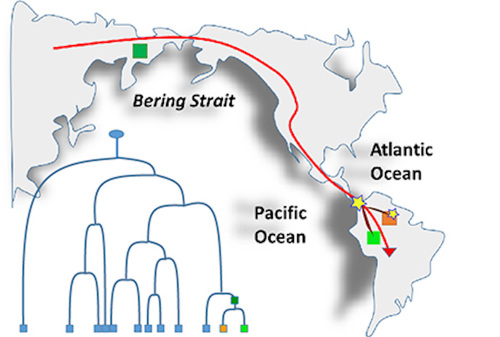
Here is an image that helps to explain how this worked:
Early humans migrated from Siberia to South America.
The orange and electric green Y chromosomes at the bottom of the tree are from two men living in different populations of native South American. The orange man has the "M3" mutation in his Y chromosome – let’s call it the star mutation for ease – and the electric green man does not.
It turns out that lots of people living today in South America have the star mutation, and it’s not found anywhere else in the world. So it must have happened right when people were first moving into the continent.
We also know that both the orange and electric green Y chromosomes are passed down from the ancestral dark green Y chromosome above them in the tree. This Y has some mutations that are only found in people living in Siberia.
These clues led scientists to understand that the green Y chromosome was from a population in Siberia that migrated over the land bridge to settle all over South America. Right around the time they arrived there, the star mutation appeared in some of the population – but not all.
So the men we see today with the star mutation (the orange Y) are descendants of the dark green men who first got it. Not all the men in the dark green population, of course, got the mutation – it started out with just one man and then was passed on to his sons and their sons. So originally, some men in the dark green population passed on Y chromosomes without the star mutation – their descendants are men like the electric green Y, with Y chromosomes missing the star mutation.
All this told scientists that the orange and electric green Ys are 15000 years apart from their ancestral dark green Y chromosome, from which they both originate – one with the star mutation, and one without.
Now that they have a time, they just need to sequence the dark green and the orange Y chromosome and see how many mutations happened over that 15,000 years. From this they got a mutation rate for the Y chromosome.
(Of course, they could also look at the number of differences between the dark green and the electric green – they should be very similar because the same 15000 years separate them in time. They did this as a mathematical check, and found a very similar mutation rate).
In fact, as we look at more and more men’s Y chromosomes, we could even push Y-Adam back in time. For example, recently, scientists found some living men’s Y chromosomes that are very rare and different, and cannot be traced back to the current Y-Adam. They had to put these men along with the ones we already looked at, and find the most recent common ancestor of all of them. This means changing the identity of Y- Adam, and pushing him farther back in human history. All the way to 338 thousand years ago!2 This is older than any other estimate and older than any fossils we’ve found from modern humans!
So, mtEve and Y-Adam are just clever nicknames based on a statistical truth. They were not the only female and male living during their time. They were just the ones whose DNA has survived to be passed on to living people.
And their identity is not certain. The more people we look at, the farther back in time Y-Adam and mtEve could get pushed.
The one thing we do know for sure, though, is that humans first came about much farther back in time than the stories of the Bible tell us.
When this answer was published in 2015, Sandra was a Ph.D. candidate in the Cancer Biology program working in Julien Sage’s lab, where she studied how to leverage enzymes to better understand and treat small cell lung cancer. Sandra wrote this answer while participating in the Stanford at The Tech program.