2020 സെപ്റ്റംബർ 4, വെള്ളിയാഴ്‌ച

ഓർത്തഡോക്സ് ഭരണഘടനയും ചർച്ച് ആക്ടും


ചർച്ച് ആക്ട് വന്നാൽ ഭരണഘടനയും, കോടതി വിധികളും ഇല്ലാതാകും 


ചർച്ച് ആക്ട് നിയമമായാൽ അടിമുടി പൗരോഹിത്യാധികാര കേന്ദ്രീകൃത വ്യവസ്ഥകളുള്ള സുപ്രീംകോടതി അംഗീകരിച്ച ഓർത്തഡോക്സ് സഭയുടെ 1934 ഭരണഘടനയടക്കം കേരളത്തിലെ ക്രൈസ്തവ സഭകളുടെ മതപരമായ എല്ലാ നിയമാവലികളും ഇല്ലാതാകും. സ്വാഭാവികമായും 1934 ഭരണഘടനയെ ആധാരമാക്കി 1959 ,1995 , 2017 സുപ്രീംകോടതി വിധികളും അപ്രസക്തമാകും

ചർച്ച് ആക്ട് സെക്ഷൻ 5 പ്രകാരം ഇടവക പള്ളികൾ സ്വതന്ത്ര ട്രസ്റ്റുകളായി രജിസ്റ്റർ ചെയ്യുന്നതോടു കൂടി ഇടവക പള്ളികളുടെ സ്വത്ത് ഭരണത്തിൽ 1934 ഓർത്തഡോക്സ് സഭാ ഭരണഘടന പ്രകാരം ഇടവക വികാരിക്കും , ഇടവക മെത്രാനും, മലങ്കര മെത്രാനും ഉള്ള എല്ലാ ലൗകിക അധികാരങ്ങളും ഇല്ലാതാകും.

ചർച്ച് ആക്ട് വന്നാൽ ഇടവക പള്ളികളുടെ സ്ഥാപനോദ്ദേശവും, വിശ്വാസ പൈതൃകവും സംരക്ഷിക്കാം

ചർച്ച് ആക്ട് നിയമമായാൽ സെക്ഷൻ 5(1) പ്രകാരം അനുഷ്ഠാനം, ആചരണം, പതിവുരീതി ,സമ്പ്രദായം ,സഭാ നിയമം ഉൾപ്പെടെ ഏതു നിയമത്തിൽ ഉൾക്കൊണ്ടിരുന്നാലും ഓരോ ഇടവക പള്ളിയും അതാതിന്റെ പേരിൽ തന്നെ ക്രൈസ്തവ ചാരിറ്റബിൾ ട്രസ്റ്റ് ആയി നിയമം പ്രാബല്യത്തിൽ വന്ന് ആറു മാസത്തിനുള്ളിൽ രജിസ്റ്റർ ചെയ്യണം. വകുപ്പ് 5(2) പ്രകാരം ഓരോ ഇടവകയും അസംബ്ലി ട്രസ്റ്റിനു വേണ്ടിയുള്ള അവാന്തര നിയമങ്ങളും, മെമ്മോറാണ്ടവും തയ്യാറാക്കണം. ചർച്ച് ആക്ടിനും , ഇടവക ട്രസ്റ്റ് അസംബ്ലി അംഗീകരിച്ച   നിയമാലിയും അനുസരിച്ചായിരിക്കണം ട്രസ്റ്റ് കമ്മറ്റി ഭരണം നടത്തേണ്ടത്. ഇടവക വികാരി , ഇടവക മെത്രാൻ , മലങ്കര മെത്രാൻ എന്നീ പൗരോഹിത്യ സ്ഥാനികൾക്ക് ഇടവക പള്ളികളിന്മേലുള്ള എല്ലാ ലൗകികാധികാരവും ഇതോടു കൂടി ഇല്ലാതാകും. സ്വന്തം നിയമാവലി രൂപീകരിക്കാൻ ഇടവക പള്ളികൾക്ക് സ്വാതന്ത്ര്യം ലഭിക്കുന്നതോടു കുടി ഒരോ ഇടവക പള്ളികൾക്കും അവയുടെ സ്ഥാപനോദ്ദേശവും , പൈതൃക വിശ്വാസവും സംരക്ഷിക്കാൻ ചർച്ച് ആക്ട് മുഖാന്തിരം കഴിയും. 

9. Registration of the Christian Charitable Trusts :-  All Christian Charitable Trusts shall be registered under the provisions of the Societies Registration Act of 1866 / Kerala Public Charitable Societies Act.

9. ക്രൈസ്തവ ചാരിറ്റബിൾ ട്രസ്റ്റുകളുടെ രജിസ്ട്രേഷൻ : -കേരളാ പബ്ലിക് ചാരിറ്റബിൾ സൊസൈറ്റീസ് ആക്ട് : 1866-ലെ സൊസൈറ്റീസ് രജിസ്ട്രേഷൻ. ആക്ടിലെ വ്യവസ്ഥകൾ അനുസരിച്ച് എല്ലാ ക്രൈസ്തവ ചാരിറ്റബിൾ ട്രസ്റ്റുകളും  രജിസ്റ്റർ ചെയ്യപ്പെടണം

 കേരളാ ചാരിറ്റബിൾ സൊസൈറ്റി ആക്ട് പ്രകാരം വിളിച്ചു ചേർക്കുന്ന ട്രസ്റ്റ് പൊതുയോഗത്തിന്  ക്വാറം നിശ്ചയിച്ചിട്ടുണ്ട്. ആകെ അംഗങ്ങളുടെ അറുപതു ശതമാനം ക്വാറമാണ് മാതൃകാ നിയമാവലിയിൽ നിർദ്ദേശിച്ചിരിക്കുന്നത്.

ചർച്ച് ആക്ട് വന്നാൽ ക്വാറം ഇല്ലാതെ തന്നെ ഇടവക പൊതുയോഗം നടത്താൻ കഴിയുന്ന ഓർത്തഡോക്സ് ഭരണഘടനാ വ്യവസ്ഥ അപ്രസക്തമാകും. വ്യാജ രേഖകൾ സൃഷ്ടിച്ച് യാക്കോബായ സഭാംഗങ്ങൾക്ക് ഭൂരിപക്ഷമുള്ള ദേവാലയങ്ങളിലെ ഇടവകാംഗങ്ങളറിയാതെ കൃത്രിമമായി  രൂപീകരിച്ച ഇടവക സമാന്തര ഓർത്തഡോക്സ് ഭരണ സമിതികൾക്കൊന്നും അധികാരത്തിൽ തുടരാൻ കഴിയാതെ വരും.

ചർച്ച് ആക്ട് വന്നാൽ വികാരിക്കും, ഇടവക മെത്രാനും , മലങ്കര മെത്രാനും ആത്മീയ അധികാരം മാത്രം.

പള്ളികളിലും, ഭദ്രാസനങ്ങളിലും, സഭയിലും, വിശ്വാസികളിന്മേലും വിപുലമായ ലൗകീകാധികാരങ്ങളുള്ള 1934 ഭരണഘടനക്ക് പകരം ചർച്ച് ആക്ട് നിയമത്തിന് അനുരോധമായി ഓരോ പള്ളിയിൽ നിന്നും ഇടവകയിലെ കുടുംബങ്ങളുടെ എണ്ണത്തിന് ആനുപാതികമായി തെരഞ്ഞെടുക്കുന്നവർ ചേർന്ന് തെരഞ്ഞെടുക്കുന്ന ഭദ്രാസന ട്രസ്റ്റ് സമിതിയാകും ഭദ്രാസന ഭൗതിക സ്വത്ത് ഭരണം നിർവ്വഹിക്കുക. ഇതേ രീതിയിൽ തന്നെ സഭയുടെ കേന്ദ്ര സമിതിയിലേക്ക് തെരഞ്ഞെടുക്കപ്പെടുന്ന 101അംഗ ട്രസ്റ്റ് ഭരണ സമിതിയാകും സഭാ കേന്ദ്ര ഭൗതിക സ്വത്ത് ഭരണം നിറേറ്റുക. ഇടവക പൊതുയോഗത്തിൽ വികാരിക്കും, ഭദ്രാസന ട്രസ്റ്റ് ഭരണ സമിതിയിൽ ഇടവക മെത്രാനും , സഭാ കേന്ദ്ര സ്വത്തു ഭരണസമിതി യോഗത്തിൽ സഭാ തലവനായ മെത്രാനും അദ്ധ്യക്ഷത വഹിക്കാമെങ്കിലും ഇടവക / ഭദ്രാസന , കേന്ദ്ര ട്രസ്റ്റ് ഭരണ സമിതിയുടെ സ്വത്ത് ഭരണത്തിൽ യാതൊരു അധികാരവും ചെലുത്താൻ  ഈ നിയമം അനുവദിക്കുന്നില്ല. 

ഇടവക പള്ളികൾ സ്വതന്ത്ര ട്രസ്റ്റുകളാകും. മലങ്കര സഭയുടെ ഏകശിലാ ട്രസ്റ്റ്‌ പദവിയും ഇല്ലാതാകും.

ഈ നിയമം നടപ്പിലാകുന്നതോടു കൂടി ഇടവക പള്ളികളും , ഭദ്രാസനങ്ങളും ,സഭാ കേന്ദ്രവും വ്യത്യസ്ത ട്രസ്റ്റുകളായി മാറുന്നതോടു കൂടി 1934 ഭരണഘടന പ്രകാരം സുപ്രീംകോടതി അംഗീകരിച്ചു കൊടുത്ത "വിഭജിക്കാനാവാത്ത ഏക ശിലാ ട്രസ്റ്റ് "പദവി നഷ്ടപ്പെടുകയും ഇടവക പള്ളികൾ സ്വതന്ത്രമാകുകയും ചെയ്യും. ഫലത്തിൽ ഇടവകാംഗങ്ങളുടെ ഭൂരിപക്ഷമായിരിക്കും ഇടവക പള്ളികളുടെ ഭാവി നിശ്ചയിക്കുക . വിശ്വാസ പരമായ തർക്കങ്ങളിൽ സിവിൾ കോടതികൾക്ക് ഇടപെടാൻ ഇന്ത്യൻ ഭരണഘടന അനുവദിക്കാത്തതിനാൽ സഭയുടെ അവാന്തര വിഭാഗ (Denomination Sect ) പദവി  ഇടവക പള്ളികൾക്ക് ലഭിക്കുന്നതോടു കുടി വിശ്വാസ പരമായ വേറിട്ട നിലപാട് ഭൂരിപക്ഷ അഭിപ്രായത്തോടെ സ്വീകരിക്കാൻ ഇടവക പള്ളികൾക്ക് കഴിയും. ഇടവക പള്ളികളിലെ വിശ്വാസികൾക്ക് സ്വീകാര്യമല്ലാത്ത വിശ്വാസങ്ങളെയോ, ആത്മീയ പുരോഹിതരെയോ സ്വീകരിക്കുന്നതിന് നിർബന്ധിക്കാൻ ചർച്ച് ആക്ട് വന്നാൽ സിവിൾ കോടതികൾക്ക് കഴിയാതെ വരുമെന്ന് ചുരുക്കം.

പള്ളി സ്വത്ത് ഭരണ രേഖകളുടെ സൂക്ഷിപ്പ് അധികാരം ട്രസ്റ് ഭരണ സമിതിക്ക്

ഓർത്തഡോക്സ് ഭരണ ഘടന 43, 44 വകുപ്പുകൾ പ്രകാരം മാമ്മോദീസാ രജിസ്റ്റർ, വിവാഹ രജിസ്റ്റർ, മരണ രജിസ്റ്റർ, ഇടവക രജിസ്റ്റർ , മറ്റ് സ്വത്തുക്കൾ എന്നീ ലൗകീക രേഖകളുടെ സൂക്ഷിപ്പുകാരൻ എന്ന പദവി വികാരിക്കാണ്. ഇടവക മെത്രാനെ ഈ രജിസ്റ്ററുകൾ കാണിച്ച് മുദ്ര വപ്പിക്കണമെന്നും ഈ വകുപ്പിൽ പറയുന്നു. ചർച്ച് ആക്ട് വന്നാൽ ഇടവക മെത്രാനു വേണ്ടി ഇടവക വികാരി കൈകാര്യം ചെയ്യുന്ന സുപ്രധാന രേഖകളുടെ സൂക്ഷിപ്പ് അധികാരം നഷ്ടപ്പെടും. ഇതോടു കൂടി പള്ളിവക എല്ലാ റിക്കാർഡുകളും വികാരി ട്രസ്റ്റ് ഭരണ സമിതിക്ക് കൈമാറേണ്ടി വരും. പള്ളി റിക്കാർഡുകളുടെ സൂക്ഷിപ്പ് അധികാരം ഉപയോഗിച്ചാണ് ഇടവക വികാരിയും, ഇടവക മെത്രാനും, മലങ്കര മെത്രാനും ചേർന്ന് യാക്കോബായ സഭാ ദേവാലയങ്ങൾ പിടിച്ചെടുത്തത്.

43. In addition to the Baptism Register, the Marriage Register, the Burial Register, the Parish Assembly Register and Confession Register, there shall be a Parish Register containing the names and other particulars of all men and women of the Parish entered regularly under the responsibility of the Vicar and kept in his custody. When the Diocesan Metropolitan comes to the Church on his Parish visit; these shall be signed by him. The Vicar shall also keep the files of kalpanas (orders) and other documents received from higher authorities of the Church. 

44. The Vicar shall be the custodian of the movable articles required for the day to day use in Church Services and those not so used shall be in the joint custody of the Vicar and Kaikaran. 

മനുഷ്യാവകാശങ്ങളും മൗലികാവശങ്ങളും സംരക്ഷിക്കപ്പെടും. പള്ളി / സെമിത്തേരി കയ്യേറ്റങ്ങളും അവസാനിക്കും. 

സഭയിലെ എല്ലാ അംഗങ്ങൾക്കും, സ്വാഭാവിക നീതിയും , സ്വാതന്ത്യവും ഉറപ്പു വരുത്തുന്നതോടൊപ്പം, മനുഷ്യാവകാശങ്ങളും, മൗലികാവകാശങ്ങളും സംരക്ഷിക്കാൻ ത്രിതല ട്രസ്റ്റ് സമിതികൾ നിയമപരമായി ബാദ്ധ്യസ്ഥരാണ്. ഇന്ന് കേരളത്തിൽ നടന്നു കൊണ്ടിരിക്കുന്ന പള്ളി കയ്യേറ്റങ്ങളോ, ശവസംസ്കാര നിഷേധമോ ചർച്ച് ആക്ട് വന്നാൽ നടക്കില്ല. ഇടവക ജനങ്ങളുടെ ഭൂരിപക്ഷാഭിപ്രായത്തിന് തരിമ്പും വില നൽകാതെ ഇടവക വികാരിക്ക് ലഭിക്കുന്ന ലൗകീകാധികാരമാണ്  ഇത്തരം തർക്കങ്ങൾക്ക് അടിസ്ഥാന കാരണം. 

ചർച്ച് കമ്മിഷണർക്ക് ഭരണാധികാരമില്ല. മേൽനോട്ട അധികാരംമാത്രം

ചർച്ച് ആക്ട് നിയമ പ്രകാരം രൂപവൽക്കരിക്കപ്പെട്ട വിവിധ ട്രസ്റ്റു കമ്മറ്റികളുടെ മേൽനോട്ട അധികാരം സർക്കാർ നിയമിക്കുന്ന സർക്കാർ സെക്രട്ടറിയുടെ പദവിയിൽ താഴാത്ത പദവിയിലുള്ള  ചർച്ച് കമ്മീഷണർക്ക് ഉണ്ടായിരിക്കും. എന്നാൽ ഈ ചർച്ച് കമ്മിഷണർക്ക് ട്രസ്റ്റ് ഭരണ സമിതിയിൽ അംഗത്വം ഉണ്ടായിരിക്കില്ല. ഓർത്തഡോക്സ് സഭാ ഭരണഘടന വകുപ്പ് 66 പ്രകാരം ഇടവക മെത്രാനും, മലങ്കര മെത്രാനും ലഭിക്കുന്ന സ്വത്ത് ഭരണ മേൽനോട്ട അധികാരം ഇതോടു കൂടി നഷ്ടപ്പെടും.

പാരീസ് കാനോനും അപ്രസക്തമാകും 

ഓർത്തഡോക്സ് ഭരണഘടന വകുപ്പ്  5 പ്രകാരം ബാർ എബ്രായയുടെ പാരീസ് കാനോനാണ് ഓർത്തഡോക്സ് സഭയുടെ ഔദ്യോദിക കാനോൻ .1934 ഭരണഘടനയുടെ ബലത്തിൽ മാത്രമാണ് പാരീസ് കാനോന്റെ നിലനിൽപ്പ് .സഭാ തലവൻ പാത്രിയർക്കീസിന്റെ അധികാരം പരിമിതപ്പെടുത്തുന്നതിനാണ്  റോമൻ കത്തോലിക്കാ വൈദികനായ പോൾ ബജാൻ 1898 - ൽ അച്ചടിച്ചു പ്രസിദ്ധീകരിച്ച പാരീസ് കാനോൻ ഔദ്യോദിക കാനോനായി ഭരണഘടനയിൽ ഉൾപ്പെടുത്തി അംഗീകരിച്ചത് .കാനോൻ വിശ്വാസപരമായ വിഷയങ്ങൾ ഉൾക്കൊള്ളുന്ന നിയമ സംഹിത ആയതിനാൽ ചർച്ച് ആക്ട്  വ്യവസ്ഥ ചെയ്യുന്ന സഭാ കേന്ദ്ര ഭൗതിക ട്രസ്റ്റ് നിയമാവലിയിൽ ഉൾപ്പെടുത്തുന്നത് ക്രമ വിരുദ്ധമാകും . ഫലത്തിൽ വിവാദ "പാരീസ് കാനോന്റെ “ നിയമ സംരക്ഷണം നഷ്ടപ്പെടും. സ്വാഭാവികമായി 1900 ന് മുമ്പുള്ള നിയമ പോരാട്ടങ്ങളിൽ കോടതികൾ  അംഗീകരിച്ച യാക്കോബായ സഭ പിന്തുടരുന്ന കാനോൻ ഔദ്യോദിക കാനോനായി അംഗീകരിക്കേണ്ടി വരും.

5 The approved Canon of this Church is the Hudaya Canon written by Bar Hebraeus (the same Canon book as the one printed in Paris in the year 1898.) 

ഇടവക പള്ളി മാനേജിംഗ് കമ്മറ്റിയുടെ നിയമനാധികാരം ഇടവക മെത്രാന് നഷ്ടപ്പെടും 

ഓർത്തഡോക്സ് ഭരണഘടന വകുപ്പ്‌ 27 പ്രകാരം ഇടവകാംഗങ്ങളാൽ തെരഞ്ഞെടുക്കപ്പെടുന്ന ഇടവക ഭരണ സമിതിക്ക് ഭരണം നടത്താൻ കഴിയണമെങ്കിൽ ഇടവക മെത്രാന്റെ നിയമന കൽപ്പന അനിവാര്യമാണ്. ചർച്ച് ആക്ട് വന്നാൽ ഇടവക ഭരണ സമിതിയുടെ നിയമനാധികാരി എന്ന പദവി ഇടവക മെത്രാന് നഷ്ടപ്പെടും ഇടവക മെത്രാപ്പോലീത്തക്കും , മലങ്കര മെത്രാനും ഇടവക പൊതുയോഗം വിളിച്ചു ചേർക്കാനും, അതിൽ പങ്കെടുക്കാനും ഓർത്തഡോക്സ് ഭരണഘടന 13 , 98 വകുപ്പ് പ്രകാരം ഉള്ള അധികാരം ചർച്ച് ആക്ട് വന്നാൽ ഇല്ലാതാകും.

( 27. The Vicar shall report to the Diocesan Metropolitan about the election of the Kaikaran, the Secretary and other members of the Parish Managing Committee within a week’s time along with a copy of the Parish Assembly proceedings and his written approval obtained for the same. If no Kalpana (order) of approval of the Diocesan Metropolitan is received within three weeks of forwarding the report, it shall be deemed that the Diocesan Metropolitan has approved such an election. 

13. The Parish Assembly shall meet at least twice a year. The Vicar shall convene the Parish Assembly Meeting when he deems it necessary or at the request of the Managing Committee or at that of twenty percent of the Parish Assembly Members. The Diocesan Metropolitan, if he finds it necessary, May after announcing in the Church himself or causing such an announcement to be made convene the Parish Assembly Meeting on any subsequent day and the Diocesan Metropolitan shall preside over the meeting so convened

98. The Catholicos may also hold the office of the Malankara Metropolitan. As the Malankara Metropolitan he shall be the President of the Association and the Managing Committee and the Metropolitan Trustee of the Community properties. The Malankara Metropolitan may officially visit all the parish churches of the Malankara Church and if found needed, he may convene the Parish Assembly and the Diocesan Assembly after giving information to the Diocesan Metropolitan. When the Catholicos and the Malankara Metropolitan happen to be two individuals, regulations needed shall be made about their respective rights and powers. )

വികാരിയുടെ മുഖ്യ കൈസ്ഥാന പദവിയും പോകും 

1934 ഭരണഘടന വകുപ്പ് 32, 39 വകുപ്പുകൾ പ്രകാരം ഇടവകക്ക് പുറത്തു നിന്ന് നിയമിക്കപ്പെടുന്ന ഇടവക വികാരിക്ക് ലഭിക്കുന്ന മുഖ്യ ട്രസ്റ്റി എന്ന സ്വത്തധികാര പദവിയും ഇല്ലാതാകും. ഇടവക സ്വത്ത് ഭരണാധികാരം യാതൊരു ബാഹ്യ നിയന്ത്രണവുമില്ലാതെ ജനാധിപത്യ അടിസ്ഥാനത്തിൽ ലിംഗ വിവേചനമില്ലാതെ തെരഞ്ഞെടുക്കപ്പെടുന്ന ഇടവക ട്രസ്റ്റ് ഭരണാധികാരികൾക്കായിരിക്കും ലഭിക്കുക. 


( 32. Every Parish Church shall have a Kaikaran who shall be the joint-steward along with the Vicar of all the assets of the Parish Church. When Kaikaran goes out of office his stewardship will also terminate. The Parish Assembly may, if found necessary, elect not more than two Kaikarans with joint responsibility. In all legal proceedings on behalf of the Parish Church it shall be sufficient if the lay-steward is made party.( If there–be two Kaikarans for a Parish Church, any reference to one kaikaran in the constitution shall be deemed to apply to both the kaikarans). 

39. The Vicar shall be the joint-steward with the Kaikaran of the assets of the Parish. The monies of the Parish shall be deposited in the joint names of the Vicar and the Kaikaran or in the name of any one of them with the consent of each other. But the 

Kaikaran may retain with him an amount as fixed by the Parish Managing Committee. )

മലങ്കര മെത്രാന് ലഭിക്കുന്ന പള്ളി വിഹിതവും ഇല്ലാതാകും 

ഓർത്തഡോക്സ് ഭരണഘടന വകുപ്പ് 22 പ്രകാരം പള്ളി വക വരുമാനത്തിൽ അതേ ഭരണഘടനയിലെ 122 വകുപ്പ് പ്രകാരം മലങ്കര മെത്രാന് നൽകാനുള്ള വിഹിതം കഴിച്ചുള്ള തുക കൊണ്ടാകണം പള്ളിയുടെയും , സ്ഥാപനങ്ങളുടെയും ദൈനംദിന കാര്യങ്ങൾ നിർവ്വഹിക്കേണ്ടി വരിക. ചർച്ച് ആക്ട് പ്രകാരം ഇത്തരം സ്വത്ത് വിനിയോഗ നിയന്ത്രണങ്ങൾ ഇടവക ട്രസ്റ്റ് കമ്മറ്റിയിന്മേൽ അടിച്ചേൽപ്പിക്കാൻ യാതൊരു ബാഹ്യാധികാരികൾക്കും കഴിയില്ല.

22. After setting apart the portion referred to in Section 122 ** hereunder, the balance shall be spent on the following items, in the following order of priority and only any balance remaining over may be spent for other needs of the Parish and the Church in general:- 

(a) Day-to-day expenses in connection with the Holy Qurbana, festivals and other ministries of the Church. 

(b) Expenses in connection with the maintenance and upkeep of the Parish Church and other Parish buildings. 

(c) Salary of the Vicar, the other Priests, the Sexton etc; 

(d) Payments due to the Church Centre and the Diocesan Centre. 

(e) Expenses for the Schools, Charitable Hospitals, Orphanages, Sunday Schools, Prayer meetings, Gospel work and the like conducted by the Parish Church. Section 122. Out of the annual gross income of a Church including its properties, 10% 

for the first Rs 500/-; and 5% for the remaining Rs 500/- to Rs 1500/- and 2 ½% for the amount above Rs 1500/-shall be sent every year to the Malankara Metropolitan. If the percentage as stated above of any church is less than Rs 10/-, not less than Rs 10/-shall be sent from that Church to the Malankara Metropolitan under this item. 

122. Out of the annual gross income of a church including income from its properties, 10% on the first Rs 500/-; and 5% for the remaining Rs 500/- to Rs 1500/- and 2 ½% for the amount above Rs 1500/-shall be sent every year to the Malankara Metropolitan. If the percentage as stated above of any church is less than Rs 10/-, not less than Rs 10/-shall be sent from that Church to the Malankara Metropolitan under this item. )

ഇടവക പൊതുയോഗ തീരുമാനങ്ങൾ റദ്ദുചെയ്യാൻ ഇടവക മെത്രാനുള്ള അധികാരവും നഷ്ടപ്പെടും 

ഓർത്തഡോക്സ് സഭാ ഭരണഘടന 19, 20 , 21 വകുപ്പുകൾ പ്രകാരം ഇടവക പൊതുയോഗ തീരുമാനങ്ങൾ റദ്ദു ചെയ്യാൻ ഇടവക മെത്രാന് ലഭിക്കുന്ന സ്വേഛാധികാരം ചർച്ച് ആക്ട് വന്നാൽ ഇല്ലാതാകും.

(19. The Diocesan Metropolitan may be appealed against any decision of the Parish Assembly and the Vicar shall simultaneously be informed in writing of such appeal. If the Diocesan Metropolitan agrees with the decision of the Parish Assembly, he shall dismiss the appeal, but if he disagrees, he shall within three months after the receipt of the appeal, place the same before the Diocesan Council and he shall in consultation with The Council decide the appeal matter. 

20. Until a decision is made on the appeal, the Diocesan Metropolitan may at his discretion stay the implementation of the decision of the Parish Assembly by sending Kalpana (order). The decision of the Parish Assembly, shall come in to effect, if the aggrieved party fails to inform the Vicar in writing about the appeal within five says after the decision of the Parish Assembly or if no order of stay is received within two weeks of it. 

21. If the Diocesan Metropolitan is satisfied that the decision of the Parish Assembly is not right or that it is beyond the limits of the Parish Assembly, he shall have authority even if no appeal has been made, to adopt the procedures stated in sections 19 and 20 above with regard to such a decision and settle the matter. )

ഇടവക സ്ഥാവര സ്വത്തു ക്രയവിക്രയ അധികാരം ഇടവക വികാരിക്കും മെത്രാനും നഷ്ടപ്പെടും .

ഇടവകാംഗങ്ങളിൽ നിന്നും സമാഹരിക്കുന്ന സമ്പത്ത് ഉപയോഗിച്ച് ആർജ്ജിച്ച സ്ഥാവര ജംഗമ വസ്തുക്കളുടെ ക്രയവിക്രയത്തിൽ ഇടപെടാൻ ഇടവക വികാരിക്കും ,  ഇടവക മെത്രാനും , മലങ്കര മെത്രാനും ഭരണഘടന വകുപ്പ് 23 പ്രകാരം ലഭിക്കുന്ന അധികാരവും ചർച്ച് ആക്ട് വന്നാൽ നഷ്ടപ്പെടും . ഓർത്തഡോക്സ് ഭരണഘടന വകുപ്പ് 37 പ്രകാരം ഇടവകയുടെ സ്ഥാവര ജംഗമ വസ്തുക്കളുടെ പട്ടിക വിവരിക്കുന്ന  രജിസ്റ്ററുകളുടെ സൂക്ഷിപ്പിന്റെ കൂട്ടുത്തരവാദിത്ത അധികാരം വികാരിക്ക് നഷ്ടപ്പെടും. ഈ രേഖകൾ ഇടവക മെത്രാനെ കാണിച്ച് ബോദ്ധ്യപ്പെടുത്തണമെന്ന നിബന്ധനയും ചർച്ച് ആക്ട് വന്നാൽ ഇല്ലാതാകും. ഇടവകയുടെ സ്ഥാവര ജംഗമ വസ്തുക്കളുടെ ക്രയവിക്രയ അധികാരം ബാഹ്യ നിയന്ത്രണമില്ലാതെ പൂർണ്ണമായും ഇടവക ട്രസ്റ്റിന് ആയിരിക്കും ചർച്ച് ആക്ട് വന്നാൽ ലഭിക്കുക.

(23. The acquisition of any immovable property for the Parish Church or the sale or creation of any charge on the immovable property of the Parish Church, shall be in pursuance of the decision thereto made by the Parish Assembly and the written consent of the Diocesan Metropolitan and shall be done by the Vicar and the Kaikaran (Lay –Steward) jointly. 

37. For every Parish there shall be a register of the movable and immovable properties of the Parish Church and it shall be made up-to-date every year and signed by the Vicar and the Kaikaran and kept in the custody of Kaikaran, and when the Diocesan Metropolitan comes to the Church on his Parish visit the same shall be signed by him. 

All documents relating to the assets of the Parish and all records except those for the current year to be kept by the Secretary and the Kaikaran or those to be kept by the Vicar shall be kept under the joint-responsibility of the Vicar and the Kaikaran. )

സമ്പൂർണ്ണ ജനാധിപത്യം  ഉറപ്പാക്കും 

ജനാധിപത്യത്തിന്റെ അടിസ്ഥാന ഘടന എന്നത് തെരഞ്ഞെടുക്കാനും തെരഞ്ഞെടുക്കപ്പെടുവാനുമുള്ള അവകാശം ആണ്. ഇന്ത്യൻ ഭരണഘടന ആർട്ടിക്കിൾ 15 ഉറപ്പു നൽകുന്ന ലിംഗ സമത്വം ഓർത്തഡോക്സ് ഭരണഘടനയിൽ നിഷേധിക്കപ്പെടുന്നു. ഓർത്തഡോക്സ് ഭരണഘടനയിൽ 21 വയസ് പൂർത്തിയായ സ്ത്രീ പുരുഷന്മാർക്ക് ഇടവക പൊതുയോഗത്തിൽ പങ്കെടുക്കാമെങ്കിലും , സ്വത്തധികാരമുള്ള മെത്രാസന കൗൺസിലിലേക്കോ , മലങ്കര അസോസിയേഷനിലേക്കോ, മാനേജിംഗ് കമ്മറി , വർക്കിംഗ് കമ്മറ്റി, അൽമായ ട്രസ്റ്റി, സഭാ സെക്രട്ടറി തുടങ്ങിയ പദവികളിലേക്കോ തെരഞ്ഞെടുക്കപ്പെടാനുള്ള അവകാശം ഇല്ല. ഭരണഘടന വകുപ്പ് 46 b പ്രകാരം മെത്രാസന കൗൺസിലിലേക്ക് പുരുഷന്മാർക്ക് മാത്രമാണ് തെരഞ്ഞെടുക്കപ്പെടാനുള്ള അവകാശം. ഇത് ഇന്ത്യൻ ഭരണഘടന ഉറപ്പു നൽകുന്ന ലിംഗ സമത്വം എന്ന മൗലികാവകാശത്തിന്റെ ലംഘനമാണ്. ചർച്ച് ആക്ട് വന്നാൽ ഇടവക / ഭദ്രാസന / സഭാ കേന്ദ്ര ട്രസ്റ്റ് ഭരണ സമിതിയിലേക്ക് 18 വയസ് പൂർത്തിയായ സ്ത്രീകൾക്കും വിവേചനമില്ലാതെ തെരഞ്ഞെടുക്കപ്പെടാൻ അവകാശം ലഭിക്കും.

നീതിപൂർവമായ പ്രാതിനിധ്യ വ്യവസ്ഥ ഉറപ്പാക്കും 

ഭരണഘടന വകുപ്പ് 46 b പ്രകാരം  ഇടവകയിലെ 21 വയസ് പൂർത്തിയായ സ്ത്രീ പുരുഷന്മാരുടെ എണ്ണം 4000 ൽ അധികമായി എത്ര അധികരിച്ചാലും 10 പ്രതിനിധികളെ മാത്രമാണ് മെത്രാസന കൗൺസിലിലേക്കോ , മലങ്കര അസോസിയേഷനിലെക്കോ അയക്കാൻ കഴിയുക. 21വയസ് പൂർത്തിയായ കുടുംബാംഗങ്ങളുടെ എണ്ണം ഒരു കുടുംബത്തിന് ശരാശരി അഞ്ച് എന്ന് കണക്കാക്കിയാൽ 800 കുടുംബങ്ങളുള്ള പള്ളിയിൽ വോട്ടവകാശമുള്ള 4000 അംഗങ്ങൾ ഉണ്ടാകും. 5000 കുടുംബങ്ങൾ ഉള്ള മണർകാട് /കുറുപ്പുംപടി പള്ളികളിൽ വോട്ടവകാശം ഉള്ള 25000 അംഗങ്ങളുണ്ടെങ്കിലും ഓർത്തഡോക്സ് ഭരണഘടന പ്രകാരം ഈ പള്ളികൾക്കും ലഭിക്കുന്നത് 800 കുടുംബങ്ങൾ മാത്രമുള്ള പള്ളികൾക്ക് ലഭിക്കുന്ന പത്ത് പ്രതിനിധികളെ മാത്രമായിരിക്കും. മലങ്കര അസോസിയേഷൻ തെരഞ്ഞെടുപ്പിലും ഇതേ അനീതിപരമായ പ്രാതിനിധ്യ വ്യവസ്ഥയാണ് ഇപ്പോൾ നിലവലുള്ളത്. ചർച്ച് ആക്ട് നടപ്പിലായാൽ 5000 കുടുംബങ്ങളുള്ള  പള്ളികളിൽ ലഭിക്കുന്നത് പത്തിന് പകരം 17 പ്രതിനിധികളെയും 800 കുടുംബങ്ങളുള്ള പള്ളികൾക്ക് 3 പ്രതിനിധികളെയും ആയിരിക്കും ലഭിക്കുക. ഓർത്തഡോക്സ് ഭരണഘടന പ്രകാരം ഭദ്രാസന / കേന്ദ്ര ഭരണ സമിതി അസംബ്ളികളിലേക്ക് ഒരോ പള്ളിയിൽ നിന്ന് ഒരോ വൈദികന് തെരഞ്ഞെടുക്കപ്പെടാം. എന്നാൽ ചർച്ച് ആക്ട് പ്രകാരമുള്ള ഭദ്രാസന / കേന്ദ്ര ട്രസ്റ്റ് അസംബ്ളിയിലേക്ക് വൈദികർക്ക്‌ പ്രാതിനിധ്യ സംവരണമില്ല. എന്നാൽ വൈദികർക്ക് അൽമായരോടൊപ്പം മത്സരിച്ച് തെരഞ്ഞെടുക്കപ്പെടാം .ചർച്ച് ആക്ട് നടപ്പിലായാൽ സ്വത്തധികാരമുള്ള ഇടവക / ഭദ്രാസന / സഭാ സമിതികളിലേക്ക് മുന്നൂറ് കുടുംബങ്ങൾക്ക് ഒന്ന് എന്ന മാനദണ്ഡത്തിൽ പ്രതിനിധികളെ തെരഞ്ഞെടുക്കപ്പെടാനും തെരഞ്ഞെടുക്കാനുമുള്ള അവകാശം 18 വയസ് പൂർത്തിയായ എല്ലാ സ്ത്രീ പുരുഷന്മാർക്കും ലഭിക്കും.


ഭദ്രാസന സ്വത്തു ഭരണത്തിലും മെത്രാധിപത്യം ഇല്ലാതാകും 

ഓർത്തഡോക്സ് ഭരണഘടന വകുപ്പ് 45 പ്രകാരം രൂപീകരിക്കുന്ന ഭദ്രാസന അസംബ്ളിയിൽ നിന്ന് തെരഞ്ഞെടുക്കുന്ന ഭദ്രാസന സെക്രട്ടറിയും, രണ്ട് വൈദികരും, നാലു അത്മായരും ഇടവക മെത്രാപ്പോലിത്തയും ഉൾപ്പെടുന്ന എട്ടംഗ ഭദ്രാസന സമിതിയാണ് ഭരണ നിർവ്വഹണ ചുമതല. ഇടവക മെത്രാനെ കൂടാതെ രണ്ടു പേരും കുടെ ചേർന്നാൽ യോഗത്തിന് ക്വാറം ആകും. അതായത് ഇടവകമെത്രാനും, ഭദ്രാസന സെക്രട്ടറിയും, വൈദികരിൽ ഒരാളും കൂടെ ചേർന്നാൽ  ഭദ്രാസന ഭരണം ഇടവക മെത്രാന് കൈപ്പിടിയിലൊതുക്കാൻ കഴിയും. ചർച്ച് ആക്ട് സെക്ഷൻ 6 (3 ) പ്രകാരം ഓരോ ഇടവകയിൽ നിന്നും മുന്നൂറ് കുടുംബങ്ങൾക്കും അതിന്റെ ഭാഗത്തിനും ഒന്ന് എന്ന ക്രമത്തിൽ തെരഞ്ഞെടുക്കപ്പെടുന്ന 18 വയസ് പൂർത്തിയായ പ്രതിനിധി സഭയിൽ നിന്നും  തെരഞ്ഞെടുക്കപ്പെടുന്ന 25 അംഗങ്ങൾ ഉൾപ്പെടുന്ന ഭദ്രാസന തല ചാരിറ്റബിൾ ട്രസ്റ്റിന്  ആയിരിക്കും ഭരണ നിർവഹണ ചുമതല. ഈ യോഗത്തിൽ ഇടവക മെത്രാന് അദ്ധ്യക്ഷത വഹിക്കാൻ കഴിയുമെങ്കിലും സ്വത്ത് ഭരണത്തിൽ ഇടപെടാനുള്ള സവിശേഷാധികാരം ഇല്ലാതാകും. ആസ്തികളും സ്വത്തുക്കളും ആർജ്ജിക്കാനും ചിലവഴിക്കാനുമുള്ള പൂർണ്ണ അവകാശം ഈ ട്രസ്റ്റ് ഭരണസമിതിക്കായിരിക്കും .ഭദ്രാസന തലത്തിൽ രൂപീകരിക്കുന്ന നിയമാവലി ആയിരിക്കും ഭദ്രാസനത്തിനു ബാധകമാകുന്നത് . ഓർത്തഡോക്സ് സഭാ ഭരണഘടന വകുപ്പ് 52 പ്രകാരം ഭദ്രാസന ഇടവക പണം ഇടവക മെത്രാന്റെ പേരിൽ നിക്ഷേപിക്കണം എന്ന വ്യവസ്ഥയും ഇല്ലാതാകും. സമ്പത്ത് നിക്ഷേപിക്കേണ്ടത് ട്രസ്റ്റ് ഭരണ സമിതിയുടെ പേരിലായിരിക്കും. ഭദ്രാസന സ്വത്ത് ഭരണത്തിൽ മലങ്കര മെത്രാന് ഇടപെടാനുള്ള എല്ലാ അധികാരവും ചർച്ച് ആക്ട് വന്നാൽ ഇല്ലാതാകും.


ഭദ്രാസന സ്വത്ത് ക്രയവിക്രയത്തിൽ ഇട പെടാൻ മലങ്കര മെത്രാന്റെ അധികാരവും ഇല്ലാതാകും

ഭദ്രാസന സ്ഥാവര ജംഗമ വസ്തുക്കൾ വാങ്ങുന്നതിനോ വിൽക്കുന്നതിനോ മലങ്കര മെത്രാന്റെ രേഖാമൂലമായ സമ്മതം വേണമെന്ന ഓർത്തഡോക്സ് സഭാ ഭരണഘടന വകുപ്പ് 54 വ്യവസ്ഥയും ചർച്ച് ആക്ട് വന്നാൽ അപ്രസക്തമാകും . ഭദ്രാസന സ്വത്തു ഭരണ അധികാരം പൂർണ്ണമായും ട്രസ്‌റ്റ് ഭരണ സമിതിയിൽ നിക്ഷിപ്തമാകും . ഭദാസന ഫണ്ട് ചിലവഴിക്കാൻ ഇടവക മെത്രാന്റെ അനുവാദം വേണമെന്ന ഓർത്തഡോക്സ് സഭാ ഭരണഘടന വകുപ്പ് 60 വ്യവസ്ഥയും ചർച്ച് ആക്ട് വന്നാൽ ഇല്ലാതാകും . ട്രസ്റ്റ് ഭരണ സമിതിയുടെ ഭൂരിപക്ഷ അഭിപ്രായ പ്രകാരമാകും ധനവിനിമയ ഇടപാടുകൾ നടത്തുക.

(54. The acquisition of any immovable property for the Diocese or the disposal of or creation of any charge on any immovable property of Diocese shall be done by the Diocesan Metropolitan and the Diocesan Secretary jointly and in pursuance of a decision thereto made by the Diocesan Assembly and written consent of the Malankara Metropolitan)

ഭദ്രാസന ഭരണത്തിൽ മലങ്കര മെത്രാന്റെ മേൽനോട്ട അധികാരം ചർച്ച് ആക്ട് വന്നാൽ ഇല്ലാതാകും.

സഭാ ഭരണഘടന വകുപ്പ് 66 പ്രകാരം ഭദ്രാസന സ്വത്ത് ഭരണത്തിൽ മലങ്കര മെത്രാന് ലഭിക്കുന്ന “ മേൽനോട്ട “ അധികാരവും ചർച്ച് ആക്ട് വന്നാൽ ഇല്ലാതാകും . ഈ  “ മേൽനോട്ട “ അധികാരം ഉപയോഗിച്ചു കൊണ്ടായിരുന്നു യാക്കോബായ സഭംഗങ്ങൾക്കു ഭൂരിപക്ഷം ഉണ്ടായിരുന്ന അങ്കമാലി , കൊച്ചി , കണ്ടനാട് ഭദ്രാസനാസ്ഥാനങ്ങളായ  ആലുവ തൃക്കുന്നത്ത് സെമിനാരി , കൊരട്ടി സീയോൻ സെമിനാരി , മുവാറ്റുപുഴ അരമന എന്നിവയിൽ അധീശത്വം സ്ഥാപിക്കാൻ ഓർത്തഡോക്സ് വിഭാഗത്തിന് കഴിഞ്ഞത്. ചർച്ച് ആക്ട് നടപ്പാക്കിയാൽ നഷ്ടപ്പെട്ട ഭദ്രാസന ആസ്ഥാനങ്ങളെല്ലാം വീണ്ടെടുക്കാൻ യാക്കോബായ സഭാംഗങ്ങൾക്ക് കഴിയും .

(66. The Diocesan Metropolitan shall carry on the administration of the Dioceses under their care subject to the supervision of the Malankara Metropolitan. )

ചർച്ച് ആക്ട് വന്നാൽ സുതാര്യമല്ലാത്ത മെത്രാൻ ട്രസ്റ്റും ഇല്ലാതാകും

സഭാ ഭരണഘടന വകുപ്പ് 85 പ്രകാരം സഭക്ക് രണ്ടുതരം ട്രസ്റ്റുകളാണ് നിലവിലുള്ളത്. വട്ടിപ്പണവും , സെമിനാരി സ്വത്തും മാത്രമാണ് കൂട്ടു ട്രസ്‌റ്റി ഭരണത്തിലുള്ളത്. മെത്രാപ്പോലീത്തൻ ട്രസ്റ്റ് സ്വത്തുഭരണത്തിൽ കൂട്ട് ട്രസ്റ്റിമാരായ അൽമായ / വൈദിക ട്രസ്റ്റികൾക്കു യാതൊരു പങ്കാളിത്തവും നിലവിലില്ല. ചർച്ച് ആക്ട് വന്നാൽ  ചർച്ച് ആക്ട് സെക്ഷൻ 6 (3 ) പ്രകാരം ഓരോ ഇടവകയിൽ നിന്നും മുന്നൂറ് കുടുംബങ്ങൾക്കും അതിന്റെ ഭാഗത്തിനും ഒന്ന് എന്ന ക്രമത്തിൽ തെരെഞ്ഞെടുക്കപ്പെടുന്ന 18 വയസ് പൂർത്തിയായ പ്രതിനിധി സഭയിൽ നിന്നും തെരഞ്ഞെടുക്കപ്പെടുന്ന 25 അംഗങ്ങൾ ഉൾപ്പെടുന്ന കേന്ദ്ര ട്രസ്റ്റ് ഭരണ സമിതിക്ക് മാത്രമാകും ഭരണ ചുമതല. ഓർത്തഡോക്സ് ഭരണഘടന 94 പ്രകാരം മലങ്കര മെത്രാപ്പോലീത്തക്ക് ലഭിക്കുന്ന എല്ലാ ലൗകികാധികാരവും ഇതോടു കൂടി ഇല്ലാതാകും. കേന്ദ്ര ട്രസ്റ്റ് യോഗത്തിൽ സ്വത്ത് ഭരണാധികാരമില്ലാത്ത അദ്ധ്യക്ഷ സ്ഥാനം മാത്രമാകും സഭയുടെ മുഖ്യ പൗരോഹിത്യ സ്ഥാനിക്ക് ലഭിക്കുക. അതായതു ചർച്ച് ആക്ട് വന്നാൽ ഓർത്തഡോക്സ് സഭയുടെ മെത്രാൻ ട്രസ്റ്റ് നിയമ വിരുദ്ധമാകുകയും, മലങ്കര മെത്രാന് വട്ടിപ്പണം , പഴയ സെമിനാരി എന്നിവയിലെ ഭരണാധികാരം ഇല്ലാതാകുകയും ചെയ്യും. ഇതോടു കൂടി സഭാസ്വത്തു ഭരണത്തിൽ  മലങ്കര മെത്രാനും മെത്രാസന കൗൺസിലിനും ഉള്ള എല്ലാ അധികാരങ്ങളും. ശൂന്യാവസ്ഥയിലാകും. 

( 85. If any property is to be purchased for the Community or if any property of the Community is to be alienated or any charge created over the same it shall be so decided by the majority of the Managing Committee and the Malankara Episcopal Synod and the deed therefore shall be executed by the Malankara Metropolitan and the Associate Trustees if the property belongs to the Joint Trust properties and by the Malankara Metropolitan alone if it belongs to the Malankara Metropolitan Trust.)

മെത്രാധിപത്യം ഉറപ്പിക്കാനുള്ള പിൻവാതിൽ നോമിനേഷൻ അധികാരം മലങ്കര മെത്രാന് നഷ്ടപ്പെടും 

സ്വത്തധികാരം തങ്ങളിൽ കേന്ദ്രീകരിക്കുന്നതിന് സഭാ മാനേജിംഗ് കമ്മറ്റി, വർക്കിംഗ് കമ്മറ്റി എന്നീ സ്വത്തധികാര സമിതികളിലേക്ക് പിണിയാളുകളായ വൈദികരെയും, അൽമായരെയും നോമിനേറ്റ് ചെയ്യാൻ  മലങ്കര ഓർത്തഡോക്സ് ഭരണഘടന വകുപ്പ് 79 പ്രകാരം മലങ്കര മെത്രാന് ലഭിക്കുന്ന സ്വേഛാധികാരവും ചർച്ച് ആക്ട് വന്നാൽ ഇല്ലാതാകും. മുന്നൂറ് കുടുംബങ്ങൾക്ക് ഒന്ന് എന്ന തോതിൽ രൂപീകൃതമായ സഭാ കേന്ദ്ര അസംബ്ളിയിൽ നിന്ന് ഓരോ ഭദ്രാസനത്തിനും പത്ത്‌ എന്ന പ്രാതിനിനിധ്യ വ്യവസ്ഥയിൽ തെരഞ്ഞെടുക്കപ്പടുന്ന 101 അംഗ ട്രസ്റ്റ് സമിതിയാകും സഭാ സ്വത്ത് ഭരണം നിർവഹിക്കുക.  

(79. The members of the Managing Committee shall be, exclusive of the Association Secretary and the Community Trustees, 43 priests and 86 laymen elected by the Association. The term of office of the members of the Managing Committee shall be five years. The Association may at its discretion increase the membership of the Managing Committee. The Managing Committee may fill up any vacancy arising during its term of office by co-option. The Malankara Metropolitan may, if he feels it needed, nominate not more than 30 persons (10 priests and 20 laymen) as members. When the Association shall increase the number of members of the Managing Committee the number of the members to be nominated by the Malankara Metropolitan shall also be increased. )

സഭാ സ്വത്തു ഭരണത്തിൽ മലങ്കര മെത്രാന്റെ സ്വേഛാധികാരം ഇല്ലാതാകും. 

ഓർത്തഡോക്സ് ഭരണഘടന 91 , 92 വകുപ്പുകൾ പ്രകാരം അൽമായ പ്രാതിനിധ്യമുള്ള  സഭാ സമിതികൾക്ക് വട്ടിപ്പണം / സെമിനാരി സ്വത്തധികാരമൊഴിച്ച് മറ്റ് സഭാ സ്വത്തിന്മേൽ യാതൊരു ഭരണാധികാരവും ഇല്ല. ചർച്ച് ആക്ട് വന്നാൽ പൗരോഹിത്യ അധികാരം ആത്മീയ കാര്യങ്ങളിൽ മാത്രമായി ഒതുങ്ങുകയും ഇടവക / ഭദ്രാസന / സഭാ സ്വത്ത് ഭരണം ലിംഗ വ്യത്യാസമെന്യേ അൽമായർക്ക് പൂർണ്ണമായി ലഭിക്കുകയും ചെയ്യും .


( 91. With the Malankara Metropolitan there shall be two persons, a priest and a layman who shall be the Trustees for the Vattipanam(Trust Fund) and the Kottayam Syrian Seminary and the income which have accrued or shall be accruing therefrom. 

92. The Malankara Metropolitan shall be the Trustee for the rest of the Community properties if they are not subject to other special provisions )

ചർച്ച് ആക്ട് വന്നാൽ ഇടവകക്ക് സ്വന്തം ഭരണഘടനയുണ്ടാകും

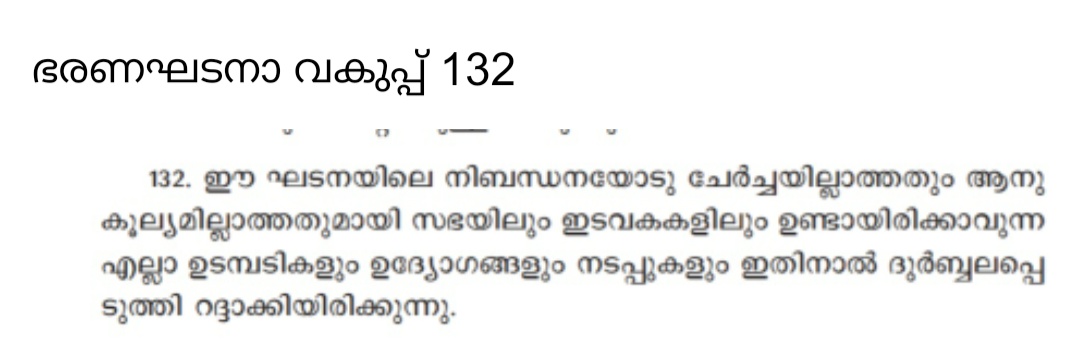
1934 ഓർത്തഡോക്സ് ഭരണഘടന വകുപ്പ് 132 പ്രകാരം ഇടവക പള്ളികളുടെ ഉടമ്പടി വ്യവസ്ഥകളും , നിയമാവലികളും അസാധു ആയി പ്രഖ്യാപിച്ചിരുന്നു. ഏക ശിലാ ട്രസ്റ്റ് എന്ന നിലയിൽ ഓർത്തഡോക്സ് വിഭാഗം ഏകപക്ഷീയമായി തയ്യാറാക്കിയ സഭാ ഭരണഘടനക്കാണ് സുപ്രീംകോടതി അംഗീകാരം ലഭിച്ചത്.  സുപ്രീംകോടതി വിധിയുടെ ബലത്തിൽ നിയമ സാധുത നഷ്ടപ്പെട്ട ഇടവക പള്ളികളുടെയും, ഭദ്രാസനങ്ങളുടെയും നിയമാവലികളും , ഉടമ്പടി വ്യവസ്ഥകളും സ്ഥാപനോദ്ദേശത്തിന് കളങ്കമുണ്ടാകാതെ ചർച്ച് ആക്ട് നിയമത്തിന് അനുരോധമായി ഭേദഗതി ചെയ്ത് സ്വതന്ത്ര പ്രവർത്തന ഘടന നില നിർത്താൻ കഴിയും.

(132. All agreements, offices and practices which are not consistent with the provisions of this Constitution are hereby made ineffective and are annulled. )
പരാതികളും വിധികളും 

സഭയിലെ അയ്മേനികൾ ,ശെമ്മാശന്മാർ, കശീശന്മാർ ,മേൽപട്ടക്കാർ , മലങ്കര മെത്രാൻ എന്നിവരുടെ പേരിലുള്ള ലൗകികപരമായ പരാതികൾ കേൾക്കാനും വിധി തീർപ്പിനുമുള്ള അധികാരം സംബന്ധിച്ച ഓർത്തഡോക്സ് ഭരണ ഘടന 115 മുതൽ 119 വരെയുള്ള വകുപ്പുകൾ ചർച്ച് ആക്ട് വന്നാൽ അപ്രസക്തമാകും. ചർച്ച് ആക്ടിന് വിരുദ്ധമായ പ്രവർത്തനങ്ങൾ , സാമ്പത്തിക തിരിമറികൾ. ഇന്ത്യൻ ഭരണഘടന ഉറപ്പു നൽകുന്ന മൗലികാവകാശ ലംഘനങ്ങൾ , ഐക്യ രാഷ്ട്ര സഭ അംഗീകരിച്ചിട്ടുള്ള മനുഷ്യാവകാശ പ്രമാണ ലംഘനങ്ങൾ എന്നിവക്ക് സിവിൾ /ക്രിമിനൽ നടപടികൾക്ക് കുറ്റാരോപിതർ വിധേയരാകേണ്ടി വരും..

വിവരാവകാശ നിയമത്തിന്റെ ആനുകൂല്യം സഭംഗങ്ങൾക്കു ലഭിക്കും 

ചർച്ച് ആക്ട് പ്രകാരം നിയമിക്കപ്പെടുന്ന സർക്കാർ ഉദ്യോഗസ്ഥന് വർഷാവർഷം ആഡിറ്റ് ചെയ്ത കണക്ക് ട്രസ്റ്റ് ഭാരവാഹികൾ നൽകണം. സർക്കാർ ഉദ്യോഗസ്ഥർ ആയ കമ്മീഷണർമാർ RTI Act 2005  പരിധിയിൽ വരുമെന്നതിനാൽ പള്ളി / ഭദ്രാസന / സഭ / സഭവക സ്ഥാപനങ്ങൾ സംബന്ധിച്ച ഏതൊരു വിവരവും ആർക്കും കമ്മീഷണറിൽ നിന്ന് RTI Act പ്രകാരം ലഭ്യമാകും . ഇപ്പോൾ ഓർത്തഡോൿസ് സഭയുടെ B , C , D പട്ടികയിലുള്ള കണക്കുകൾ ആ സഭയുടെ മാനേജിംഗ് കമ്മറ്റി അംഗങ്ങളെ പോലും അറിയിക്കാറില്ല. പള്ളികളുടെയും , സ്ഥാപനങ്ങളുടെയും ഒളിച്ചു വക്കപ്പെടുന്ന ധനകാര്യ ഇടപാടുകൾ സംബന്ധിച്ച പൂർണ്ണ വിവരങ്ങൾ വിവരാവകാശ നിയമ പ്രകാരം ഇടവകാംഗങ്ങൾക്ക് ലഭ്യമാകുമെന്നതിനാൽ ഭരണ നിർവഹണം അഴിമതി രഹിതവും സുതാര്യവുമാകും . 

കോഴ അവസാനിക്കും , മര്യാദാ വേതനവും ലഭിക്കും 

സ്ഥാപനങ്ങളിലെ നിയമനങ്ങൾ , വിദ്യാർത്ഥി പ്രവേശനങ്ങൾ  അഴിമതിരഹിതമാകും. സ്ഥാപനങ്ങളിലെ ജീവനക്കാർക്ക് മര്യാദാ വേതനം ഉറപ്പായും ലഭിക്കും. സഭാ വക സ്ഥാപനങ്ങളിൽ വ്യാജ രേഖകൾ സൃഷ്ടിച്ചു സർക്കാർ പ്രഖ്യാപിത മിനിമം കൂലിയെക്കാൾ കുറഞ്ഞ കൂലി നൽകുന്ന കൊടിയ ചൂഷണവും ചർച്ചു ആക്ട് വന്നാൽ ഇല്ലാതാകും . 

പുതിയ അംഗങ്ങളെ ചേർക്കാനുള്ള അധികാരം ഇടവക ട്രസ്റ്റ് ഭരണ സമിതിക്കു മാത്രം 

ഇടവകയിൽ പുതിയ അംഗങ്ങളെ ചേർക്കാൻ വികാരിക്കും , ഇടവക മെത്രാനും ഭരണഘടന വകുപ്പ് 9 പ്രകാരം ലഭിക്കുന്ന സവിശേഷാധികാരം ചർച്ചു ആക്റ്റ് വന്നാൽ  ഇല്ലാതാകും. ഇടവക ട്രസ്റ്റ് ഭരണ സമിതിക്ക് മാത്രമാകും പുതിയ അംഗങ്ങളെ ഇടവകയിൽ ചേർക്കാനുള്ള അധികാരം . പുതിയ ഇടവകാംഗങ്ങളെ ഇടവകയിൽ ചേർക്കാൻ ബാഹ്യാധികാരികളായ ഇടവക വികാരിക്കും ,ഇടവക മെത്രാനുമുള്ള സവിശേഷാധികാരം ഉപയോഗിച്ചായിരുന്നു യാക്കോബായ സഭാംഗങ്ങൾക്ക് ഭുരിപക്ഷമുള്ള പല ദേവാലയങ്ങളിലും വ്യാജ ഇടവകാംഗത്വം നൽകി കൃത്രിമ ഭൂരിപക്ഷമുണ്ടാക്കി അധീശത്വം ഓർത്തഡോക്സ് വിഭാഗം സ്ഥാപിച്ചെടുത്തത്.

(9. A member of one Parish Church can either become permanent member of another Parish Church or if he resides temporarily in another place for profession or other-wise become temporary member of the Parish Church there, with the permission of the Vicar of the Parish Church he joins and the respective Vicars shall report to the respective  Diocesan Metropolitans about such leaving and joining. In the event of the Vicar refusing permission for such transfer the Diocesan Metropolitan may be petitioned and all concerned shall abide by his decision. Those who have joined a Parish temporarily will not have, as long as they continue so, the right to participate in the Parish Assembly of  the Parish Church in which they are permanent members or exercise their vote there. )

 ചർച്ചു് ആക്ട് പുരോഹിത സൗഹൃദം 

ഇടവക / ഭദ്രാസന /  സഭാ സ്വത്ത് ഭരണത്തിൽ പൗരോഹിത്യ മേധാവിത്തം അവസാനിക്കുമെങ്കിലും ചർച്ച് ആക്ട് പുരോഹിത സൗഹൃദ നിയമമാണെന്നതാണ് യാഥാർത്ഥ്യം. ആത്മീയ കർമ്മം നിർവ്വഹിക്കുന്നവർക്ക് മാന്യമായ വേതനവും, ക്ഷാമ ബത്തയും, യാത്രാ ബത്തയും , വൈദികർക്ക് പാഴ്സനേജ് സൗകര്യവും , വാർദ്ധക്യ കാല സുരക്ഷയും ചർച്ച് ആക്ട്  ഉറപ്പു നൽകുന്നു.

ലിംഗ സമത്വം യാഥാർഥ്യമാകും.

പതിനെട്ട് വയസ് പൂർത്തിയായ എല്ലാ സ്ത്രീ പുരുഷന്മാർക്കും ട്രസ്റ്റ് ഭരണ സമിതിയെ തെരഞ്ഞെടുക്കാനും, തെരഞ്ഞെടുക്കപ്പെടാനുമുള്ള അവകാശം ലഭിക്കുന്നതോടെ ഇന്ത്യൻ ഭരണഘടന ഉറപ്പു നൽകുന്ന ലിംഗ സമത്വം യാഥാർഥ്യമാകും.

ഉൾഭരണ സ്വാതന്ത്ര്യ ഭരണ വ്യക്താക്കൾ വിശ്വാസികളുടെ സമ്പൂർണ്ണ സ്വാതന്ത്ര്യത്തെ എന്തിനു എതിർക്കണം?

മലങ്കര സഭയുടെ ഉൾഭരണ സ്വാതന്ത്ര്യം നേടിയത് തങ്ങളാണെന്ന് ഊറ്റം കൊള്ളുന്ന ഓർത്തഡോക്സ് സഭ ഇടവക / ഭദ്രാസന / സഭാ ഭൗതിക സ്വത്ത് അധികാര പദവികളിലേക്ക് ജനാധിപത്യപരമായി തെരഞ്ഞെടുക്കപ്പെടാനുള്ള പൂർണ്ണ സ്വാതന്ത്ര്യം ലിംഗ വ്യത്യാസമെന്യേ അൽമായർക്ക് ഉറപ്പ് നൽകുന്ന ചർച്ച് ആക്ടിനെ എതിർക്കുന്നതാണ് ഏറെ വിരോധാഭാസം.

ചർച്ച് ആക്ട് അയഥാർത്ഥ ആശങ്കകൾ 

ചർച്ച് ആക്ട് നിയമം ഇന്ത്യൻ ഭരണഘടന ഉറപ്പു നൽകുന്ന മത സ്വാതന്ത്ര്യത്തിന്റെ ലംഘനമാണെന്നതാണ് ചിലർ ഉന്നയിക്കുന്ന ആരോപണം . തികച്ചും വസ്തുതാ വിരുദ്ധമായ ആരോപണമാണിത് .  ഇന്ത്യൻ ഭരണഘടന ആർട്ടിക്കിൾ 25 (2) പ്രകാരം ഭരണഘടനാപരമായ മതസ്വാതന്ത്ര്യ വ്യവസ്ഥകൾ രാജ്യത്ത് നിലവിലുള്ള ഏതെങ്കിലും നിയമത്തെയോ ,പുതിയ നിയമം നിർമ്മിക്കാനുള്ള സർക്കാരിനുള്ള അധികാരത്തെയോ ഇല്ലാതാക്കുന്നില്ല. 26 Clause d - പ്രകാരം മതങ്ങൾ ആർജ്ജിക്കുന്ന സ്വത്തുക്കള്‍ ഭരിക്കപ്പെടേണ്ടത് രാജ്യത്തുള്ള നിയമ പ്രകാരമായിരിക്കണം.  ഈ ഭരണഘടനാ വ്യവസ്ഥകൾ പ്രകാരമുള്ള സിവിൾ നിയമ നിയമമാണ് Church ആക്റ്റ് ഇന്ത്യൻ ഭരണഘടനയുടെ സൃഷ്ടിയായ നിയമ നിർമാണ സഭകൾക്ക് ഭരണ ഘടന ഉറപ്പു നൽകുന്ന മൗലികാവകാശം നിഷേധിക്കുന്ന യാതൊരു നിയമവും ഉണ്ടാക്കാൻ കഴിയില്ല. സുപ്രീം കോടതി ഭരണഘടനാ ബഞ്ച് സൂക്ഷ്മമായി പരിശോധന നടത്തി 1954 - ൽ പുറത്തിറക്കിയ വിധിന്യായത്തിന്റെ അടിസ്ഥാനത്തിൽ തയ്യാറാക്കിയതാണ് നിയമ പണ്ഡിതനായ ജസ്റ്റീസ് വി.ആർ.കൃഷ്ണ അയ്യർ ക്രോഡീകരിച്ച കേരളാ ചർച്ച് ആക്ട്. സമാനമായ നിയമം നിലനിൽക്കുന്ന മഹാരാഷ്ട്ര ,ഗുജറാത്ത് ,ഗോവ മദ്ധ്യപ്രദേശ് സംസ്ഥാനങ്ങളിൽ പള്ളികളോ സ്ഥാപനങ്ങളോ സർക്കാർ ഏറ്റെടുത്തിട്ടില്ല.


https://indiankanoon.org/doc/1307370/ 


ഇന്ത്യയിൽ മറ്റേതെങ്കിലും സംസ്ഥാനങ്ങളിൽ ചർച്ച് ആക്ടിന് സമാനമായ നിയമങ്ങളുണ്ടോ ? 


ഇന്ത്യയിൽ ആദ്യമായി ബോംബെ പ്രൊവിൻസ് സർക്കാർ ക്രൈസ്തവ സഭാ ദേവാലയങ്ങൾ ഉൾപ്പെടെ എല്ലാ മതസ്ഥാപനങ്ങൾക്കും ബാധകമായ ബോംബെ പബ്ളിക് ട്രസ്റ്റ് ആക്ട് 1950 എന്ന നിയമം പാസാക്കി. ഈ നിയമം സംബന്ധിച്ച കേസിൽ സുപ്രീംകോടതി ഭരണഘടനാ ബഞ്ച് നിർദ്ദേശിച്ച ഭേദഗതികൾ ഉൾപ്പെടുത്തിയ നിയമ പ്രകാരമാണ് പഴയ ബോംബെ പ്രൊവിൻസിന്റെ ഭാഗമായ മഹാരാഷ്ട്ര ഗുജറാത്ത് സംസ്ഥാനങ്ങളിൽ ക്രൈസ്തവ സഭകൾ ഉൾപ്പെടെയുള്ള മതസ്ഥാപനങ്ങൾ പ്രവർത്തിക്കുന്നത്. മദ്ധ്യപ്രദേശിലെ മദ്ധ്യ പ്രദേശ് പബ്ളിക് ട്രസ്റ്റ് ആക്ട് നിയമ പരിധിയിൽ ക്രൈസ്തവ ദേവാലയങ്ങളും ഉൾപ്പെടും.

ചർച്ച് ആക്ട് നിയമമായാൽ കാനോൻ നിയമത്തിന്റെ സാധുത നഷ്ടപ്പെടുമോ?

സഭയുടെ ലൗകിക സ്വത്ത് ഭരണം സംബന്ധിച്ച നിയമമാണ് ചർച്ച് ആക്ട്. കാനോൻ ആത്മീയവും ,ലൗകീകവുമായ കാര്യങ്ങൾ പ്രതിപാദിക്കുന്ന നിയമാവലിയാണ് . ചർച്ച് ആക്ട് നിയമമായാൽ സഭയുടെ ഭൗതിക സ്വത്ത് ഭരണം സംബന്ധിച്ച കാനോൻ നിയമ വ്യവസ്ഥകൾക്ക് സാധുത നഷ്ടപ്പെടുകയും ചർച്ച് ആക്ട് വ്യവസ്ഥകൾ പ്രകാരം സഭയും,  പള്ളികളും, സ്ഥാപനങ്ങളും ഭരിക്കപ്പെടാൻ നിർബന്ധിതരാകും. എന്നാൽ ആത്മീയ കാര്യങ്ങൾ സംബന്ധിച്ച കാനോൻ നിയമാവലികൾക്ക് മാത്രം തുടർന്നും സാധുത ലഭിക്കും. ബോംബെ പബ്ളിക് ട്രസ്റ്റ് ആക്ട് തങ്ങൾക്ക് ബാധകമല്ലെന്നും, കാനോൻ നിയമം മാത്രമാണ് തങ്ങൾക്ക് ബാധകമെന്നും വാദിച്ച് ബോംബെ വാർളി തിരുഹൃദയ കത്തോലിക്കാ പള്ളി വികാരി സമർപ്പിച്ച ഹർജിയിൽ ബോംബെ ഹൈക്കോടതി കത്തോലിക്കാ സഭയുടെ ആക്ഷേപങ്ങൾ നിരാകരിച്ച് തീരുമാനമെടുത്തിട്ടുണ്ട്.


Bombay High Court Rev. Fr. Farcisus Mascarenhas vs The State Of Bombay on 14 March, 1960 Equivalent citations: (1960) 62 BOMLR 790 Author: Mudholkar Bench: Mudholkar, Tarkunde JUDGMENT Mudholkar, J.


(1960) 62 BOMLR 790.

https://indiankanoon.org/doc/1912256/


ബോംബെ ഹൈക്കോടതി വിധി പ്രസക്ത ഭാഗങ്ങൾ താഴെ വായിക്കാം

" On this ground also it will have to be said that the Canon Law is not an instrument of trust in the sense in which the term is understood in the Indian Trusts Act. We, therefore, agree with the learned Charity Commissioner that the Canon Law is not an instrument of trust. Even though it is not an instrument of trust, the Roman Catholic churches are public religious trusts because the existence of an instrument of trust is not a sine qua non for the constitution of a trust. '

ചർച്ച് ആക്ട് പുരോഹിത വിരുദ്ധമാണോ? 

ഒരിക്കലുമല്ല. ആത്മീയ കർമ്മം നിർവ്വഹിക്കുന്ന പുരോഹിതരെ മാന്യമായ തൊഴിൽ വിഭാഗമായി ചർച്ച് ആക്ട് കാണുന്നു. കാലാനുസൃതമായ വേതനം, ക്ഷാമബത്ത , യാത്രാ ബത്ത , പള്ളിയോടനുബന്ധിച്ച് പാർപ്പിട സൗകര്യം എന്നിവ ഈ നിയമം ഉറപ്പു നൽകുന്നു.


(iv)  സഭയുടെ പൊതു ആത്മീയ ശുശ്രൂഷകൾക്കനുസരിച്ചു് ത്രിതല ട്രസ്റ്റു കമ്മിറ്റി
കൾ താഴെ പറയുന്ന  ചുമതലകൾ നിർവ്വഹിക്കേണ്ടതാണ്.

(a)   Proper facilities and arrangements are to be provided for the services of the spiritual ministers, and financial remuneration as they deserve is to be compensated for the same.

(a) ആത്മീയ ശുശ്രൂഷകരുടെ സേവനങ്ങൾക്കു് മതിയായ സൗകര്യങ്ങളും ക്രമീകരണങ്ങളും നൽകേണ്ടതും അവരുടെ അർഹതക്കനുസരിച്ചു് സേവനങ്ങൾക്കു് സാമ്പത്തിക പ്രതിഫലം നൽകേണ്ടതുമാണ്.

(b)  In the case of spiritual ministers that serve in parish churches / basic ecclesiastical units in Diocese / Central / Revenue District units / the State level, and in Christian Universities, seminaries, catechetical institutions or in other service centres they are to be compensated financially in keeping with the present living conditions and such should include monthly allowances, traveling allowances, dearness allowance etc.

(b) ഇടവക പള്ളികളിലും /  രൂപതയിലെ സഭാധികാരത്തിൽപ്പെട്ട   (Eccl huesiastical unit in diocese)  അടിസ്ഥാന ഘടകങ്ങളിലും / കേന്ദ്ര / റവന്യൂ ജില്ലാതല / സംസ്ഥാന തലങ്ങളിലും ക്രൈസ്തവ സർവ്വകലാശാലകളിലും സെമിനാരികളിലും മതബോധന കേന്ദ്രങ്ങളിലും മറ്റു സേവന കേന്ദ്രങ്ങളിലും സേവനം ചെയ്യുന്ന ആത്മീയ ശുശ്രൂഷകർക്കു് കാലാനുസൃതമായ സാമ്പത്തിക പ്രതിഫലം നൽകേണ്ടതാണു്.  ഇതിൽ മാസബത്തകൾ, യാത്രാബത്തകൾ, ക്ഷാമബത്തകൾ എന്നിവ ഉൾപ്പെടേണ്ടതാണ്.

(c) Facility for residence in keeping with the times should be arranged for Spiritual Ministers at the behest of the Trusts.

(c)  ട്രസ്റ്റുകളുടെ  നിദ്ദേശാനുസരണം ആത്മീയ ശുശ്രൂഷകൾക്കു് വേണ്ടപ്പെട്ട താമസ സൗകര്യം ഒരുക്കേണ്ടതാണ്.

മലങ്കര സഭാതർക്ക പരിഹാരത്തിന് നിയമ നിർമ്മാണ പരിഹാരം സുപ്രീംകോടതി വിധിയുടെ ലംഘനമാണൊ ?


ഒരിക്കലുമല്ല. സുപ്രീംകോടതി വിധിയിൽ നിർദ്ദേശിച്ച നിയമ നിർമ്മാണം വഴിയുള്ള ഭരണഘടനാ ഭേദഗതി മാത്രമാണ് നിലവിലുള്ള പ്രതിസന്ധി പരിഹരിക്കാനുള്ള ഏക ) വഴിയുള്ള സഭാ ഭരണഘടനാ ഭേദഗതി സംബന്ധിച്ച് സുപ്രീം കോടതി വിധിയിൽ ഇങ്ങിനെ പറയുന്നു

Appointment of Vicar and Priests is a secular matter and there can be legislation also in this regard by sovereigns and can be dealt with by secular authorities also.

(ഖണ്ഡിക 123)

സുപ്രീം കോടതി വിധിയിൽ പറയുന്ന നിയമ നിർമ്മാണ അധികാരമുള്ള   Secular Authorities ഏതാണ് എന്ന് പരിശോധിക്കാം ഇന്ത്യൻ ഭരണഘടന അനുഛേദം 246 ഏഴാം പട്ടികയിൽ രണ്ടാമത്തെ ലിസ്റ്റിൽ സംസ്ഥാനങ്ങൾക്ക് നിയമ നിർമ്മാണ അധികാരമുള്ള 66  ഇനങ്ങളാണുള്ളത് .ഇതിൽ പത്താമത്തെ ഇനം മൃതദേഹ സംസ്കാരം സംബന്ധിച്ചതാണ് . ഈ അധികാരം ഉപയോഗിച്ചാണ് സംസ്ഥാന സർക്കാർ ഓർത്തഡോൿസ് ഭരണഘടനയെ മറികടന്നു സിമിത്തേരി നിയമം പാസാക്കിയത് . മൂന്നാമത്തെ ലിസ്റ്റിൽ ഉൾപ്പെടുന്ന ഇരുപത്തിയെട്ടാമതു ഇനമാണ് മത സ്ഥാപനങ്ങളുടെ സ്വത്തു  ഭരണ നിയമ നിർമ്മാണം സംബന്ധിച്ചുള്ളത്. കൺകറന്റ് ലിസ്റ്റിൽ ഉൾപ്പടുന്ന 47 ഇനങ്ങളുടെ നിയമ നിർമ്മാണ അധികാരം കേന്ദ്ര സംസ്ഥാന സർക്കാരുകൾക്കുണ്ട് . ഈ അധികാരം ഉപയോഗിച്ചാണ് മഹാരാഷ്ട്ര , ഗുജറാത്ത്‌ മദ്ധ്യപ്രദേശ് , ഗോവ ഉൾപ്പെടെ നിരവധി ഇന്ത്യൻ സംസ്ഥാനങ്ങളിൽ മതസ്വത്തു നിയമങ്ങൾ ഉണ്ടായത് . ആ നിയമങ്ങൾ ഇന്ത്യൻ ഭരണഘടനക്ക് എതിരാണെന്ന ചിലരുടെ ആക്ഷേപങ്ങൾ തള്ളി സുപ്രീം കോടതി ഭരണഘടനാ ബഞ്ച് 1954 ൽ വിധി പറഞ്ഞിരുന്നു. (https://indiankanoon.org/doc/1307370/)

സുവ്യക്തമായ സുപ്രീം കോടതി വിധി പുറത്തു വന്നിട്ടും ആ വിധി ക്രൈസ്തവ സഭകൾക്ക് പ്രത്യേകിച്ച് റോമൻ കത്തോലിക്കാ സഭക്ക് ബാധകമല്ലെന്ന് വാദിച്ച് കത്തോലിക്കാ സഭ ബോംബെ ഹൈക്കോടതിയിൽ ഹർജി നൽകിയെങ്കിലും ബോംബെ ഹൈക്കോടതിയും അവരുടെ ഹർജി തള്ളിക്കളഞ്ഞിരുന്നു.(https://indiankanoon.org/doc/1912256/)

കേരളത്തിൽ ബോംബെ പബ്ലിക് ട്രസ്റ്റ്‌ ആക്ട് 1950 പോലെ മത പൊതു സ്വത്ത് നിയമം ഇല്ലാത്തതിനാലാണ് ഇടവക പള്ളികളുടെ സ്വതന്ത്ര സ്വഭാവം നിഷേധിക്കുന്ന വിധിന്യായം തങ്ങൾ ഇറക്കുന്നതെന്ന് അരുൺ മിശ്രയുടെ വിധിന്യായത്തിൽ തന്നെ പറയുന്നുണ്ട് .വിധിയുടെ പ്രസക്ത ഭാഗം ശ്രദ്ധിക്കൂ . 

" The properties of First District Church of the Brethren which vested in a public religious trust governed by the Bombay Public Trusts Act, was sought to be divested of the title to CNI merely on the basis of unification effected pursuant to deliberation and resolutions without following provisions regarding dissolution of society, merger etc. laid down under the Societies Registration Act and Bombay Public Trusts Act. The unification of the churches/church properties had no legal foundation. It was not justified on the ground of Articles 25 and 26 of the Constitution of India. In the aforesaid backdrop of the fact and the factual matrix, this Court has laid down the aforesaid decision. It is not a case of transfer of property. The property remains where it was and there is no effort to assign, limit, create, declare or extinguish, in present or in the future, any right, title or interest whether vested or contingent 259in the instant case. The Court dealt with the provisions of the Bombay Public Trusts Act in the aforesaid case. There is no such Act in force in the instant matter that holds the field."

(ഖണ്ഡിക 179 ) 

അതായത് 2009 ൽ നിയമ നിർമ്മാണത്തിനായി സർക്കാരിന് സമർപ്പിച്ച ചർച്ച് ആക്ട് അന്ന് നിയമമായി മാറിയിരുന്നെങ്കിൽ ജസ്റ്റീസ് അരുൺ മിശ്രക്ക് ഇത്തരമൊരു.വിധി പുറപ്പെടുവിക്കാനേ കഴിയുമായിരുന്നില്ല എന്നു ചുരുക്കം.

ജസ്റ്റീസ് അരുൺ മിശ്രയുടെ വിധിന്യായത്തിൽ ചൂണ്ടിക്കാണിക്കുന്ന മത സ്വത്തു പൊതു ഭരണ നിയമം ഉണ്ടാക്കേണ്ട " Secular Authorities (സെക്കുലർ അതോറിറ്റി") കേന്ദ്ര സംസ്ഥാന സർക്കാരുകളാണ് .സുപ്രീം കോടതി വിധിയിൽ നിർദേശിക്കുന്ന അധികാരം ഉപയോഗിച്ച് ചർച്ച് ആക്ട് നിയമം പാസാക്കുകയാണ്  യഥാർത്ഥ കോടതി വിധി നടപ്പാക്കൽ എന്ന് ചുരുക്കം.

ഓർത്തഡോക്സ് ഭരണഘടന പ്രകാരമുള്ള "വികാരി" ഇടവക മെത്രാൻ , മലങ്കര മെത്രാൻ സ്ഥാനങ്ങൾ ലൗകിക പദവികളാണ്. വികാരി നിയമനം സംബന്ധിച്ച് നിയമ നിർമ്മാണമാകാം എന്ന് ജസ്റ്റീസ് അരുൺ മിശ്ര വിധിയിൽ വ്യക്തമായി പറയുന്നുണ്ട്. പള്ളിയുടെ മാനേജ്മെന്റ് സംവിധാനം സംബന്ധിച്ച നിയമാവലി മാത്രമാണ്  1934 ഭരണഘടനയെന്നും. ഈ ഭരണ മാനേജ്‌മെന്റ് മത നിയമാവലിക്ക് പകരം നിയമ നിർമ്മാണ സഭകൾക്ക് "(Legislative") സമഗ്രമായ നിയമ നിർമ്മാണമാകാമെന്നും ഈ വിധിയിൽ തുടർന്ന് പറയുന്നു. കോടതി നിർദ്ദേശിക്കുന്ന നിയമപരമായ നിയമ നിർമ്മാണത്തിൽ കൂടി "(In accordance with law ) 1934 ഭരണഘടന ഭേദഗതി ചെയ്യാൻ കഴിയും  എന്നതാണ് യാഥാർത്ഥ്യം." Law " എന്നത് ഏതെങ്കിലും മത നിയമാവലികളല്ല. ഇതിന്റെ നിർവചനം ഇന്ത്യൻ ഭരണഘടന അനുഛേദം 13 ൽ കൃത്യമായി വിശദീകരിച്ചിട്ടുണ്ട്. 

https://www.facebook.com/100002066827402/posts/3371098586302336/

സുപ്രീം കോടതി വിധി പറയുന്ന 1934 ഭരണഘടനയുടെ ഭേദഗതി നിയമ നിർമ്മാണ സഭകളുടെ ഭരണഘടനാപരമായ ഉത്തരവാദിത്തമാണ്. അതായത് അരുൺ മിശ്രയുടെ കോടതി വിധി പ്രകാരം തന്നെ പുതിയ നിയമം നിർമ്മിക്കാൻ കഴിയുമെന്ന് ചുരുക്കം. 

ചർച്ച് ആക്റ്റ് അൽമായരുടെ സ്വാതന്ത്ര്യ  പ്രഖ്യാപന രേഖ

മലങ്കര സഭയുടെ ഭൗതിക സ്വത്തു ഭരണ ഉൾഭരണ സ്വാതന്ത്ര്യം അടി തൊട്ട് മുകൾ തലം വരെ പൂർണമായും ഉറപ്പ് നൽകുന്ന സ്വാതന്ത്ര്യ പ്രഖ്യാപന രേഖയാണ് 2009 ലെ ചർച്ച് ആക്ട്. അത് നിയമമാക്കാൻ ഇരു വിഭാഗത്തിലുമുള്ള സ്വത്തധികാരത്തിൽ പുറമ്പോക്കിൽ നിൽക്കുന്ന അൽമായ സമുഹമൊന്നാകെ ഒരു മനസോടെ പോരാട്ടത്തിന് തയ്യാറാകണം.

നവംബർ 27 തിരുവനന്തപുരം ചർച്ച് ആക്ട് മാർച്ച് ചരിത്ര മുഹൂർത്തം  

ചർച്ച് നടപ്പാകണമെങ്കിൽ അതിന്റെ ഗുണഭോക്താക്കളുടെ ജനകീയ സമ്മർദ്ദം ഉയരണം.  2019 നവംബർ 27 ന് തിരുവന്തപുരത്ത് നടന്ന വിവിധ ക്രൈസ്തവ സഭകളിലെ വിശ്വാസി സംഗമത്തിലെ ജനലക്ഷങ്ങളുടെ പങ്കാളിത്തം ചർച്ച് ആക്ടിന് അനൂകൂലമായ ക്രൈസ്തവ വിശ്വാസികളുടെ പിന്തുണയുടെ തെളിവാണ് കേരള ക്രൈസ്തവ ചരിത്രത്തിൽ സുവർണ്ണലിപികളിൽ രേഖപ്പെടുത്തുന്നതായിരുന്നു. ഈ ക്രൈസ്തവ സംഗമം. ചർച്ച് ആക്ട് ഔദാര്യമല്ല. ഇന്ത്യൻ ഭരണഘടന ഉറപ്പു നൽകുന്ന  നിയമപരമായ അവകാശമാണ്.


2020 ഏപ്രിൽ 21, ചൊവ്വാഴ്ച

കേളത്തിലെ മതങ്ങൾ.ഒരു പഠനം

RELIGIOUS DENOMINATIONS IN KERALA


I am thankful to Professor S. Irudaya Rajan for providing all the necessary help. Ms. Lini Sudarsanan was largely responsible for collecting Census data for the pre-Independence period for Travancore, Cochin and Malabar districts of the former Madras Presidency. Ms. Sreeja K.S. and Dr.
Sunitha S. provided valuable help in collecting additional data and in checking the manuscript for errors and getting it into a publishable format. CDS Librarian Mr. V.Sriram, was extremely helpful in locating needed reference materials and Census volumes for Travancore, Cochin and Malabar for the pre-independence years. Professor K.N. Harilal was kind enough to read a draft version of the paper. His observations were extremely useful in improving the quality of the final output. I am also thankful for the external referee for his valuable comments.


Abstract


This paper discusses the demographic and socio-economic profile of religious communities (Castes among the Hindus, Sects among the Muslims and Denominations among the Christians) in Kerala’s three major religions — Hinduism, Islam and Christianity. Such data are not presently available from other sources such as the population censuses. The practice of collecting “caste” data was discontinued in the Indian censuses ever since India became independent in 1947. This study, based mainly on data from the Kerala Migration Surveys, is an attempt to fill this void for recent years. It gives information on the size of the communities (population), trends, major demographic characteristics, selected socio-economic characteristics such as education, employment, migration and remittances, and several indices of the economic status at the household level. Lack of credible “caste” data to tell us who deserves preferential treatment could be the main cause that prompts some communities to make unreasonable demands for reservation. Analysis of the long-term trends in population of the three religious groups indicates that the Hindus who were more than two- thirds of the state’s population in the beginning of the last century, could be less than 50 percent of the state’s population by the middle of the present century. On the other hand, by then, the Muslims who were fewer than the Christians during much of the last century, could become more than double the Christian population and exceed one-third of the state’s population. However, the Muslims are unlikely to overtake the Hindus in the matter of population size as their fertility rate would also dip to below-replacement-level in the span of 10 to 15 years. Although the population of all the three religious groups had increased during 2001-11 at the state level, in 4 out of the 14 districts and 26 out of the 63 taluks, the number of Christians is seen to have decreased. Similarly, in 3 of the districts and 16 of the taluks the number of Hindus decreased. There were decreases even among the Muslims in one district and 7 taluks. These statistics give sufficient indication that some of the communities among the religious groups could have decreased during 2001-11.

The analysis of this study confirms that this conclusion is correct. It showed that, during 2001-11 while the proportions of the larger communities among the three religious groups (the Sunnis among the Muslims, the Ezhavas among the Hindus and the Syro-Malabar Catholics among the Christians) in the population of the State have increased, the corresponding proportions of the smaller ones, the non-Catholic Episcopal Syrian Christian denominations (the Jacobites, the Orthodox and the Mar Thoma Syrians) - the Nairs and Shia Muslims have decreased and are likely to continue their decreasing trend. Surprisingly, the Syro- Malankara community, although part of the Catholic group, has followed the path of the non-Catholic Syrian group from whom they separated themselves some 85 years ago. In recent years, the non-Catholic Episcopal Syrian Christian denominations have been at the top of the socio-economic ladder of the State, but the emerging differential population growth path of these communities, which entails an increasing load of old-age dependents, could have considerable adverse impacts on their relative role in the emerging political economy of the state.

According to the earlier Kerala Migration Surveys, The Mar Thoma Syrian Community was at the top with respect to most of the socio economic indicators, but by 2014, they have lost their top spot to the other Syrian Christian communities. It is only a matter of time before

These communities also pass on their high ranking to other religious communities. This is a transition in the demographic dividend. Keywords : Religious Denominations, Migration and Remittances,

Development Prospects, IDB

JEL Classifications: J11, O15, Z12

This paper is a short summary of the forthcoming book ‘Christian Denominations, Hindu Castes, Muslim Sects: A Study of Their Demography and Socioeconomic Profile’ which is expected to be published in 2017. The book includes several sections not covered in this paper. They include historical information on the origin and history of the various religious communities of Kerala, population growth of these communities during pre-Independence years (before 1947), etc.


Context of the Study

From its initiation in 1872, the Census of India provided information on castes  /denominations/sects of the various religious groups in India. The practice was, however, discontinued in 1951 and later censuses left a big void in caste-wise data for the Republic of India.

This study, based mainly on data from the Kerala Migration Surveys, is an attempt to fill this void for Kerala for recent years. Objective of the Study

The main objective of this study is to compare and contrast the various religious denominations of Kerala with respect to their population size, growth, geographical distribution, demographic and socio - economic characteristics, and economic status as can be ascertained on the basis of migration, remittances, housing quality, possession of household consumer items, and selected official indicators of the level of living of a household in Kerala. There is, however no presumption that the inter-community differences are CAUSED by religious differences. Religion is but one factor among several others for the observed differences; there are other equally important factors. In the Kerala context, geographic location (Malabar, Cochin state, north Travancore or south Travancore, for example) is an equally important factor for the inter-denomination differences. In recent years, emigration and remittances have assumed greater relevance in this matter.

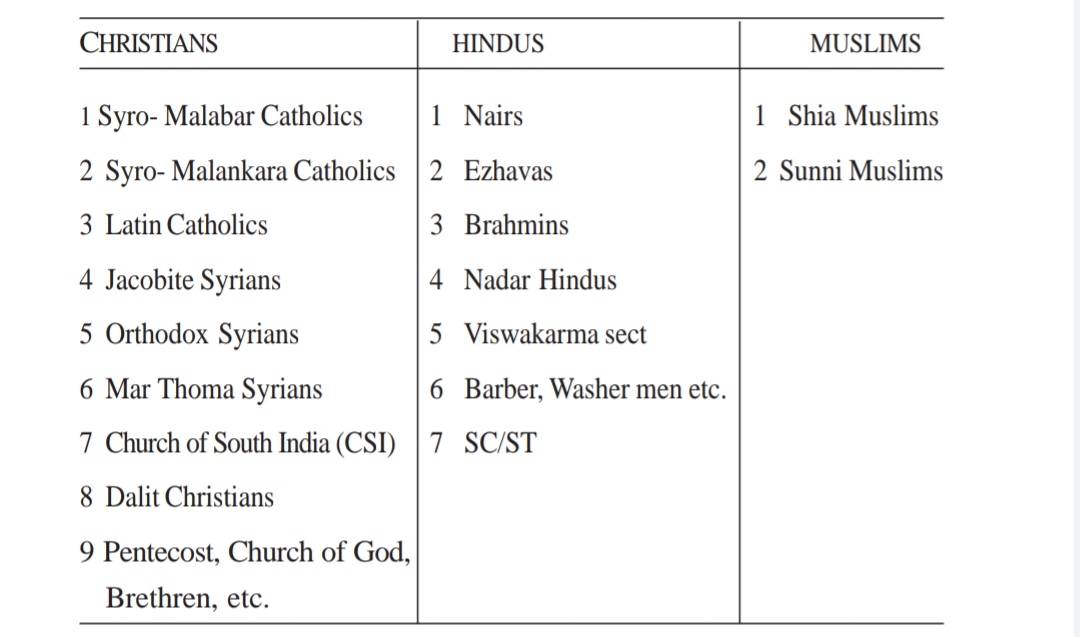
The three R’s - Religion, Region and Remittances - could be expected to explain much of the inter-denominational differences in the socio-economic differences among the various religious communities in Kerala. Coverage Not all sub-divisions among the various religious groups are studied separately in this report. Some of them are too small to be identified in a sample survey covering only 15,000 households. Nine Christian denominations, seven Hindu caste groups and two Muslim sects are compared and contrasted with respect to their demographic and socio-economic profile. They are:

CHRISTIANS HINDUS MUSLIMS

1 Syro- Malabar Catholics 1 Nairs 1 Shia Muslims

2 Syro- Malankara Catholics 2 Ezhavas 2 Sunni Muslims

3 Latin Catholics 3 Brahmins

4 Jacobite Syrians 4 Nadar Hindus

5 Orthodox Syrians 5 Viswakarma sect

6 Mar Thoma Syrians 6 Barber, Washer men etc.

7 Church of South India (CSI) 7 SC/ST

8 Dalit Christians

9 Pentecost, Church of God,

Brethren, etc.

Population Size

The most important aspect of the demography of a population is its size; past, present and future. Unfortunately, data pertaining to these aspects are generally not available from official sources for the sub- divisions within the major religious groups. A major contribution of this study is the unique set of estimates it provides of the number of persons belonging to the various denominations /castes/ sects constituting the three major religions of the state for recent years. Numerically, at present, the Christians are the smallest among the three major religious groups in Kerala. They numbered just about 6.057 million according to the 2001 Census, and 6.141 million according to the 2011 Census. The Christians were 18.4 percent of the total population of the state in 2011. The majority community, the Hindus, with nearly 18 million, were 54.9 percent in 2011. The Muslims, with 8.9 million, were 26.6 percent in 2011. The numerical dominance of the Muslims over the Christians is a relatively recent phenomenon. For much of the last century, the Christians outnumbered the Muslims in Kerala. The 1981 Census, however, told a different story; the enumeration showed more Muslims than Christians. The turnaround took place sometime between 1971 and 1981. The relative share of the Muslims in the state’s population of Kerala has increased steadily since 1981 at the expense of both the Christians and the Hindus. The numerical dominance of the Muslims over the Christians in Kerala is likely to accelerate in the coming decades. By the middle of the century, Muslims could constitute more than a third and Christians less than one-sixth of Kerala’s population. Similarly, by 2051, the Hindus could be less than 50 percent of the State’s population for the first time in Kerala’s history. However, they are unlikely to be out numbered in the state by any other community at any time1.

1 The projections reported in this working paper are taken from the forthcoming book entitled ‘Christian Denominations, Hindu Castes, Muslim Sects: A Study of Their Demography and Socioeconomic Profile’. Projections are given in Annex 1: Emerging Trends in the Religious Composition of Kerala’s Population


10

Figure 1

Note: Compiled by the author from various Censuses for the periods 1901-2011 and projections by the author for the future.

The 6.141 million Christians in 2011 consists of 3.744 million Catholics (61.0 percent of the total Christians), 977,000 Jacobite/ Orthodox Syrians (15.9 percent), 405,000 Mar Thoma Syrians (6.6 percent), 274,000 Church of South India (CSI) adherents (4.5 percent),

214, 000 Pentecost/ Church of God members (3.5 percent) and 160,000 Dalit Christians (2.6 percent). The most numerous among the Christian denominations in Kerala today are the Syro-Malabar Catholics, numbering about 2,346,000 in 2011. The Latin Catholics, who numbered about 933,000 in 2011, are the second most numerous Christian denominations. The Jacobite Syrian Christian community has a membership of 483,000 and the Orthodox Syrian community has a membership of 494,000; together they number 977,000. The Mar Thoma denomination numbers about 405,000. Among the Hindus, the most numerous caste is the Ezhava community with a population of 7.215 million in 2011. They are followed by the Nairs who constituted a little under 4 million in 2011.


Together these communities accounted for more than 60 percent of the Hindu population in 2011. The Scheduled Caste/Tribe is an important group among the Hindus. They number about 3.2 million and were 17.5 percent of the Hindu population in 2011. The smallest community among the Hindus was the Barber/Washer men group. They were only about half of one percent of the Hindu population in 2011. The Sunnis are the largest religious community not only among the Muslims but also among all religious communities in Kerala. Numbering about 8.324 million in 2011, they constitute nearly 94 percent of the Muslim religious group and 25 percent of the State’s total population. The numerical dominance of the Sunni Muslims is likely to increase further in the years to come.


The Sunni sect among the Muslims (8.3 million) and the Ezhava caste among the Hindus (7.2 million) are each larger than the total of all the Christian denominations in Kerala today. The Sunni Muslims and Ezhava Hindus together account for more than 46 percent of the

population of the state today. Together they are likely to strike an absolute majority in the near future. Population Trend According to Census, the total population of the state increased from 31.8 million in 2001 to 33.4 million in 2011. The overall increase was 1.565 million, 362,000 among the Hindus and 1,010,000 among the Muslims, but just 84,000 among the Christians (other minor religious groups account for the balance). Data suitable for estimating trends among the religious denominations are available only from KMS. However, these data are found to be not precise enough - due to sampling and non-sampling errors - for estimating short-term trends, especially for communities which are relatively small. Therefore, in this study, a new approach that combines Census and KMS data was followed to arrive at conclusions about population trends among the State’s religious communities. A general conclusion arrived at by using this approach is that, while the larger communities among all the three religious groups have increased during 2001-11, the smaller ones among them have decreased. Among the Christian denominations, while the Catholic denominations in general are found to be maintaining their increasing

trend during 2001-11, the non - Catholic Episcopal Syrian Christian communities - the Jacobites, the Orthodox, the Mar Thoma and the CSI - started decreasing. The small increase of 84,000 persons among the Christians in general during 2001-11 was entirely due to the increase among the Catholic denominations. However, even among the Catholics, the Syro-Malankara Catholics are found to be an exception. Their declining trend was similar to that of the non-Catholic Syrians. In this connection, it is pertinent to recall that, until the 1930s, the Syro - Malankara Catholics were part of the Orthodox Syrian Community.

Their growth trends seem to be similar to that of the denomination from which they originated. Among the Hindu denominations, the Nairs and Nadars have started declining in numbers but the largest community among them, the Ezhavas, continue to increase. There is no evidence of any decline among the Sunni Muslims; they are seen to continue their increasing trend. However, the Shia community is showing signs of a decreasing trend.

Several factors could be cited for the decline in population of some of the communities in Kerala. Below replacement fertility is one of them. A second factor would be migration from Kerala to other states in India and to other countries outside India. Below replacement level fertility and emigration/out-migration are indeed the factors responsible for the decline in numbers of most of the communities in Kerala.

A third factor responsible for the decline in the population of the Christian denominations could be movement from one Christian denomination to another. It is not uncommon for some members of the Syrian Episcopal churches to join the non-Episcopal denominations such as the Pentecost/Brethren sect. The extent of such movement is not documented, but could be large enough to account for part of the decline in the membership of Episcopal non-Catholic Syrian churches. Geographic Distribution and Dispersion

The Christians and the Muslims are much more unevenly distributed across the 14 districts of the state than are the Hindus. In 2011, the index of concentration was 28.2 for the Muslims (31.6 in 2008), 27.5 for the Christians (30.5 in 2008), but only 2.8 for the Hindus (8.4 in 2008). (Index of Concentration varies from 0 to near 100. The higher the index, the higher is the concentration) The index decreased for all the three religious groups during 2008-11.Ernakulam District, with about 1.248 million Christians in 2011, ranks first among all districts with respect to the number of Christians not only in the state, but in the whole of India. It is the abode of 20.3 percent of the Christians in Kerala. Among the denominations in the Christian community, the Syro- Malabar Catholics are the most dispersed denomination with an index of concentration of 46.6 and Dalit Christians are the most concentrated with an index of 83.8. Among the Hindus, the Ezhavas are the most dispersed caste and the Nadar Hindus are the most concentrated. The four central districts in Kerala, Ernakulam, Trivandrum, Kottayam and Thrissur, together are the abode of nearly 60 percent of the Christians in Kerala. On the other hand, Kozhikode and Palakkad districts have just about 2 percent each. The district with the largest number of Syro-Malabar Catholic Christians is Kottayam (13.4 percent). About 12.9 percent of this group lives in Idukki district. Districts with a large number of Syro-Malankara Catholics are Ernakulam (16.7) and Kozhikode (13.0). For the Latin Catholics, the principal district of residence is Ernakulam (24.4). More than a quarter of the number of Jacobite Syrians lives in Ernakulam district. Pathanamthitta, Ernakulam and Kozhikode districts have a relatively high proportion of Orthodox Syrians. For Mar Thoma Syrians, the principal districts of residence are Pathanamthitta and Kozhikode.

Trivandrum, Ernakulam, Kottayam and Pathanamthitta are principal abode of the CSI community. Nearly a third of the Pentecost/Brethren

The community lives in Pathanamthitta district.

Demographic Structure

The basic demographic structure of a population is its age-sex composition, which is a depository of its demographic transition, past trends in fertility, mortality and migration. As such, the current age-sex composition reveals a lot about the past trends in these basic parameters.

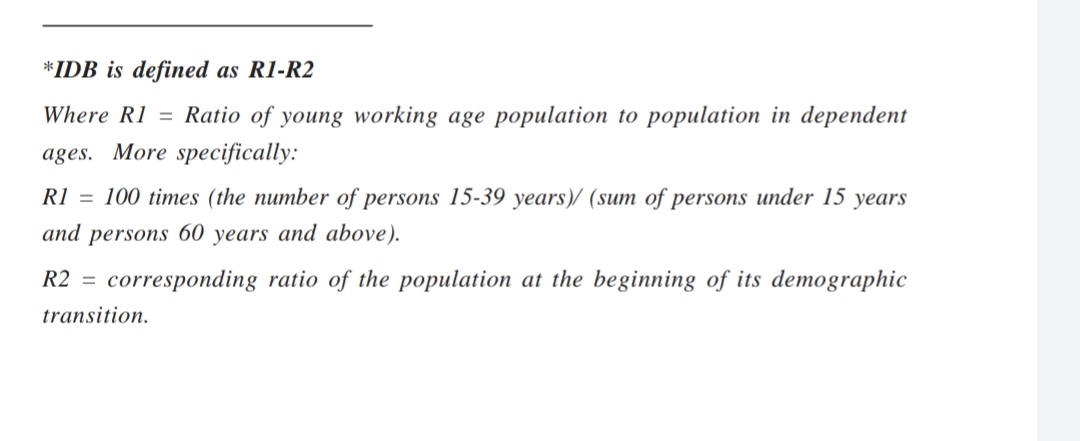
Analysis of the basic demographic parameters of the Christian denominations indicates that among the Christians, the Mar Thoma Syrians are the most advanced and the Latin Catholics are the least advanced denomination with respect to demographic transition. The Mar Thomas Syrians have the lowest average family size, the highest proportion of females, the lowest birth rate, the lowest mortality rate, the highest death rate, the highest deficit of men in the young working ages, the largest proportion of the elderly, and the highest proportion of widowed persons. In the case of most of the Christian communities, the negative natural increase is reinforced by migration out of Kerala as well as inter - denominational movements to non-Episcopal Christian communities. An important structural aspect of age distribution is the ratio of young workers to dependents. The change in this ratio since the beginning of demographic transition is called Index of Developmental Benefits or IDB in this study. For Kerala as a whole, the IDB was just 1.2 in 1961, but since then it increased to 42.8 by 2001. Thereafter, IDB declined and is likely to assume negative values after a decade or two. Among the Christian denominations in 2008, IDB varied from -1 for the Mar Thoma Syrians to 39 for Latin Catholics. By 2008, transition in age distribution is likely to have passed the optimum level from the point of developmental benefits among the Mar Thoma Syrians and most other Christian denominations. The Latin Catholics have the highest


16

index. As historical data are not available, it is not sure whether the IDB is still increasing or whether it has started declining for the Latin Catholics. Among the Hindus, the SC/ST, Viswakarma and Ezhava communities have a relatively very favourable age distribution with

high IDB values. However, the Brahmins and Nairs have a relatively

low IDB. Human Resources On average, the Christians are better educated than the other two religious communities. Among the Hindus, the Brahmins have relatively high educational scores (proportion of persons who have a minimum of secondary level of education). Both the Muslim sects and all the Hindu castes except the Brahmins and Nairs have relatively lower proportion of persons with secondary level education than the Christian denominations.

The Sunni Muslims have the lowest proportion of employed persons. The proportion of employed among the Mar Thoma Christians (35.8 percent) is not very much higher than that of the Muslims (32.5 percent among Sunni Muslims and 37.2 among Shia Muslims). The SC/ST (56 percent) and Latin Catholics (46 percent) have a very high employment rate. The low proportion of employed among the Mar Thoma community is partly due to the high proportion of elderly among them, though this is not the reason for the low level of employment among the Muslims. The proportion of working population employed in Government Or semi-government jobs is highest among the Brahmins (23.1 percent).

The corresponding proportion was 16.9 percent among the Nairs andb13.3 among the Mar Thoma Community. It is relatively low among the Christian denominations.

Migration and Remittances Emigrants from Kerala were disproportionately selected from the three religious groups and denominations within these groups. While 56 percent of the population are Hindus, only 36 percent of the emigrants from Kerala were Hindus. On the other hand, the Muslims and the Christians are over-represented. Among the emigrants, 41 percent were Muslims and 22 percent were Christians. Muslims are only 26.6 percent and the Christians are only 19 percent of the population. Among the Christian denominations, the Mar Thoma community leads with respect to emigrants per 100 households. Corresponding to every 100 households, there were 59.4 emigrants among the Mar Thoma community, but only 26.4 among the Syro-Malabar Catholics. Among the Hindus, the Nairs have a relatively high percent of emigrants per household. The Sunni Muslims have almost the same level of emigration rate as the Mar Thoma Christians.

18

Sunni Muslims lead all other communities with respect to remittances, remittances per household and proportion of households that received remittances. On an average, a Sunni Muslim household received Rs 151,000 in 2014. The SC/ST households received the lowest average amount as remittances — only Rs. 13,000. Among the Christians, while the Orthodox Christian and Mar Thoma Syrian households received relatively large amounts as remittances, the CSI community received relatively smaller amounts. In the state as a whole, only 17 percent of the households received any remittances in 2014. The vast majority of households in Kerala - 83 percent - were not direct beneficiaries of emigration from the state.

However, they could have benefitted indirectly. Although the number of emigrants has been increasing and the amount of remittances received by the households has also been increasing, the proportion of households that receive remittances has remained constant. In fact, there was a slight decline in this proportion in 2014. And this proportion could be expected to decline further as the proportion of emigrants who would send remittances on a regular basis could be expected to decline in the coming years. As the proportion of

skilled workers and professionals among the emigrants increases, the proportion of emigrants who would be sending home remittances on a regular basis would be decreasing. Household Possessions Partly as a consequence of differentials in the amount of remittances that households received in the past and partly through differentials in income from other sources, there are considerable differentials in their housing quality and in the possession of household consumer durables such as car, phone, fridge, TV, etc. Comparative analysis indicates that, in 2014, the Syro-Malabar Catholics ranked first with respect to housing quality. About 42.2 percent of the households belonging to the Syro-Malabar Catholics have “luxurious” or “very good” houses. They are followed by Sunni Muslims, Brahmins and Jacobite Syrians. SC/ST households come last in the matter of housing quality. Among the Christians, households belonging to the CSI community have the lowest proportion of high quality houses. There is a positive association between the amount of remittances that households receive and the quality of the house.

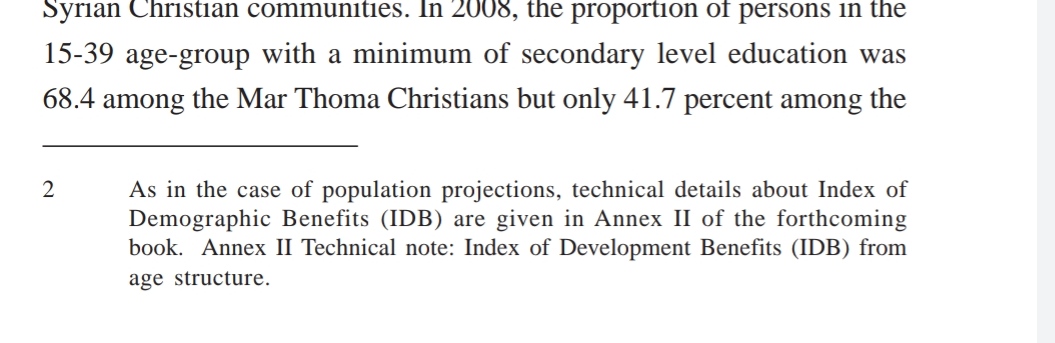
There is a much closer positive association between remittances and possession of consumer durables such as car, scooter, phone, TV, fridge, etc. A weighted index of possession of household consumer items calculated on the basis of 12 items indicates a significant positive association with the average amount of remittances by the households. Sections such as the SC/ST, Dalits, Nadars, Viswakarma, etc., have an index with a relatively low level value and Orthodox Christians, Brahmins and Syro-Malankara Christians, etc., have an index with a high value. Demographic Trends and Development Prospects The recent rapid economic growth of China and India and the relatively higher economic growth in the Southern states in India show that demographic trends play an important role in the socio-economic development of a society. In that case, the developmental prospects of Kerala’s religious denominations would depend, at least partly, by where they stand with respect to their demographic situation today and it's prospects in the years to come. From that point of view, the Sunni Muslims and Ezhava Hindus could be expected to play a much larger role in the future development of Kerala. While the Index of Development Benefits (IDB) of most Christian denominations and some of the Hindu castes have passed the optimum level and are approaching negative values, the IDB of Sunni Muslims and Ezhava Hindus have not reached their peak levels. They have the added advantage of their numerical strength. Together these two communities represent nearly half the population of Kerala now and their share is almost sure to go beyond 50 percent in the near future. The Brahmins, the Nairs, and the Syrian Christians who dominated the Kerala scene in the past have had their time. Their IDB is low and decreasing and is not expected to increase at all. They have passed the inflexion point in this matter. The Mar Thoma Christians who had the best socio-economic profile a few years ago are at the bottom of the IDB scale now. While the high proportion of young workers would help their development in the case of Muslims and Ezhavas, the heavy load of elderly dependents could hamper the progress of the Mar Thoma and other Syrian Christian denominations in the years to come2. Age distribution, however, is only one factor in the development equation. Moreover, the relevance of IDB for development is not the same for population sub-groups as for nations like India or China. For the population sub-groups, there are many ways to circumvent the problem created by a shrinking workforce. States like Kerala have managed to overcome the deficit of workers by resorting to “replacement migration”. In the same way, communities like the Syrian Christians could resort to “replacement mobility” from other communities and make up for their deficit of young workers. Even otherwise, as mentioned above, demographics are but one among the several factors in the development equation. Human resources, education in particular, are a critical input. In this matter, the Muslims and Ezhavas are far behind the Syrian Christian communities. In 2008, the proportion of persons in the 15-39 age-group with a minimum of secondary level education was 68.4 among the Mar Thoma Christians but only 41.7 percent among the


Sunni Muslims. In 2011, the proportion of population with secondary or higher levels of education was 54.6 among the Mar Thoma Christians but only 30.7 percent among the Sunni Muslims. Integration of the quality dimension in the IDB impact would make it a more relevant instrument for comparing the demographic impact on development. Economic Status Indicators

Besides data on the possession of house anghold consumer durables, quality of the house occupied by the household and type of fuel used for cooking in the house, KMS also collected information related to several other variables about the household that could distinguish poor households from richer ones. These data include the colour of thebration card that the household possess (red or blue), whether the household has enrolled in RSBY (a health insurance scheme for poor households) or whether any member of the household has a bank account, or has enrolled in NREGA, etc.


22

The proportion of households with red ration cards  (indication of a poor household) varies from 23.9 percent among the Christians to 34.8 among the Hindus. From this point of view, the Christians are better off than other communities. Among the various communities, the Orthodox Syrians had the lowest proportion of red ration cards and the SC/ST Hindus had the highest proportion. The same pattern holds with respect to bank accounts. The average ranks using all the four indicators show that the Christians are better off than Muslim and the Muslims are better off than the Hindus. Among the Christian denominations, the Orthodox Syrians are the most well-off and the Dalit Christians are worse off than any other Christian denominations. Among the Hindus, the Brahmins are the most well-off and the SC/ST Hindus are worse off than the rest. Among the Muslims, the Sunni Muslims are much better off than the Shias. When all the 18 communities are considered, the Orthodox Syrians are found to be the most well-off and the SC/ST Hindus, worse off than any other community. Conclusion Kerala’s population has reached a critical stage in its demographic transition. Until now, the population of Kerala has been increasing year after year, although very slowly in recent years. Today, there are credible signs of an impending decline. The 2011 Census documented declines during 2001-11 in 2 of the 14 districts, 12 of the 63 taluks, and in numerous panchayats. This study has documented declines in several of the religious  communities in the State. Religious leaders of the state and many of the social activists have an exaggerated view of the size (population) and growth of their respective communities. It will not go well with them if they were told that their community is not as large as they are made out to be or that they are decreasing and are likely to decrease further in future. Lack of credible “caste” data to identify who deserves preferential treatment could be the main cause that prompts some communities to make unreasonable demands for reservation. Is it not time to confront them with official data (census)?


https://drive.google.com/file/d/1DMxuOTXowmG1WD5ilOQGatp5aHuzOp6y/view?usp=drivesdk


2020 ഏപ്രിൽ 4, ശനിയാഴ്‌ച

ക്രൈസ്തവ സഭകളുടെ ഏകഛത്രാധിത്യ ചിന്ത തിരുത്തണം. റവ.ഡോ.കെ.എം.ജോർജ്ജ്

ക്രിസ്തു നേരിട്ട മൂന്നാമത്തെ പരീക്ഷ അമിതമായ അധികാരമോഹം ആയിരുന്നു. ലോകത്തിലുള്ള സകല രാജ്യങ്ങളെയും തന്‍റെ കാൽക്കീഴാക്കുക, അതിന്‍റെ ഏകഛത്രാധിപതിയായി വിരാജിക്കുക. ഈ മൂന്ന് പരീക്ഷകളെയും കർത്താവ് വിജയിച്ചു. 
പക്ഷേ നമ്മുടെ ആധുനികലോകം ഈ മൂന്നു പരീക്ഷകളിലും പരാജയപ്പെട്ടു എന്ന് തോന്നുന്നു. കാരണം ഇപ്പോഴുണ്ടായ പ്രതിസന്ധിയുടെ ഒരു പ്രധാനപ്പെട്ട കാരണം ഈ പരാജയമാണ്. അതുകൊണ്ട് നമുക്ക് ആശ്രയിക്കാൻ മറ്റൊന്നുമില്ല. നമ്മുടെ കർത്താവിന്‍റെ മാതൃകയിൽ നമ്മുടെ ജീവിതത്തെ പുനഃപരിശോധിക്കാൻ നമുക്ക് സാധിക്കണം. ഭക്ഷണം, സമ്പത്ത്, സുഖം, അധികാരം, പ്രശസ്തി എന്നീ കാര്യങ്ങളിലെല്ലാം നാം പുനർവിചിന്തനത്തിനു തയ്യാറാകണം.
കർത്താവ്‌ വിജയിച്ച മൂന്നാമത്തെ പരീക്ഷയിൽ പരാജയപ്പെട്ട ദ്രവ്യ മോഹികളായ ക്രൈസ്തവ സഭാ മേലധ്യക്ഷന്മാർ ഫാ .ഡോ.കെ.എം. ജോർജ്ജിന്റെ അവസരോചിതമായ നല്ല സന്ദേശം ഉൾക്കൊള്ളുമോ ആവോ. ?

 "ഗുരു നിന്ദ" പോലും ആഭരണമായി കരുതുന്ന കർത്താവിന്റെ ഭൂമിയിലെ പ്രതി പുരുഷന്മാരുടെ സംഭാവന കൂടിയാണ്  കോവിഡ് 19 പോലുള്ള  ദുരന്തങ്ങൾ നൽകുന്ന സന്ദേശം. ഓർത്തഡോക്സ് - യാക്കോബായ സംഘർഷം ഒഴിവാക്കാൻ അനുനയ വിരുദ്ധ നിലപാട് സ്വീകരിക്കുന്ന ഓർത്തഡോക്സ് സഭാനേതൃത്വ നിലപാടിനെ പരസ്യമായി വിമർശിച്ചു കൊണ്ട് ഫാ.ടി.ജെ.ജോഷ്വാ, ഫാ. ഒ.തോമസ് , ഫാ.കെ.എം.ജോർജ്ജ് ഉൾപ്പെടെയുള്ള സീനിയർ വൈദികർ സഭാ നേതൃത്വത്തിന് നൽകിയ അടുത്ത കാലത്ത് നൽകിയ തുറന്ന കത്ത് ഏറെ വിവാദം സൃഷ്ടിച്ചിരുന്നു.


"പകർച്ചവ്യാധിയുടെ ഞരുക്കങ്ങളിലും ഭയത്തിലുമിരിക്കുന്ന ഞങ്ങളുടെ എല്ലാ സഹോദരങ്ങളെയും തൊട്ടു സൗഖ്യമാക്കണമേ

ഫാ. ഡോ. കെ. എം. ജോര്‍ജ്

പ്രിയ സഹോദരങ്ങളെ 

ഇന്ന് നാൽപതാം വെള്ളിയാഴ്ച. നമ്മുടെ കർത്താവായ യേശുമശിഹാ മരുഭൂമിയിൽ എല്ലാ സാമൂഹിക ബന്ധങ്ങളിൽ നിന്നും ഒഴിഞ്ഞ് ഒറ്റയ്ക്ക് കഠിനമായ ഉപവാസത്തിലും പ്രാർത്ഥനയിലും കഴിഞ്ഞ 40 ദിനരാത്രങ്ങളുടെ അന്ത്യം. ഒരു സാധാരണ മനുഷ്യന് ഉണ്ടാകാവുന്ന എല്ലാ പരീക്ഷകളും, ശാരീരികവും മാനസികവും ആത്മീയവുമായ എല്ലാ പ്രലോഭനങ്ങളും യേശു നേരിട്ടു. പക്ഷേ അവയോടു പോരാടി തിന്മയുടെ മേൽ താന്‍ വിജയം പ്രാപിച്ചു. അതിന്‍റെ ഓർമ്മയും അതിലുള്ള നമ്മുടെ പങ്കാളിത്തവുമാണ് നാല്പതാം വെള്ളിയാഴ്ച. പൗരസ്ത്യ പാരമ്പര്യത്തിലുള്ള ക്രിസ്ത്യാനികൾ 40 ദിവസങ്ങളിലെ നോമ്പും പ്രാർത്ഥനകളും ഉപവാസവും പൂർത്തിയാക്കി അനുതാപമുള്ള ഹൃദയത്തോടു കൂടി വിശുദ്ധ കുർബാനയിൽ സംബന്ധിക്കേണ്ട വിശുദ്ധ ദിനമാണിന്ന്. അസാധാരണമായ ഇപ്പോഴത്തെ സാഹചര്യത്തിൽ നമുക്ക് എല്ലാവർക്കും അത് സാധിക്കുന്നില്ല എന്നുള്ളത് ദുഃഖകരമാണ്. എങ്കിലും നമുക്ക് മാതൃക ഒന്നേയുള്ളൂ. നമ്മുടെ കർത്താവും രക്ഷകനുമായ യേശുമശിഹായുടെ 40 ദിനങ്ങളിലെ ആന്തരീക പോരാട്ടം. അത് തനിക്കു വേണ്ടി ആയിരുന്നില്ല. സകല മനുഷ്യർക്കും വേണ്ടി, ലോകത്തിന്‍റെ സൗഖ്യത്തിനും വിശുദ്ധീകരണത്തിനും വേണ്ടി യേശു അനുഷ്ഠിക്കാൻ പോകുന്ന മഹാ ത്യാഗത്തിന്‍റെ തുടക്കമായിരുന്നു അത്. 
40 ദിവസങ്ങൾ ഒറ്റപ്പെട്ട് കഴിയുക എന്നു പറയുമ്പോൾ, അത് നമ്മുടെ ഈ കൊറോണ വൈറസ് കാലത്ത് മനുഷ്യർ മുഴുവൻ ദുഃഖിക്കുന്ന ഈ കാലഘട്ടത്തിൽ, അതിന് വല്ലാത്ത ഒരു മുഴക്കമുണ്ട്. ക്വാറന്‍റൈന്‍ എന്ന വാക്കിന് 40 ദിവസങ്ങൾ എന്നാണ് അർത്ഥം. മധ്യകാല യൂറോപ്പിൽ ഇറ്റലിയിലും മറ്റും കടൽ കടന്നുപോയവർ തിരികെ എത്തുമ്പോൾ പകർച്ചവ്യാധികൾ കൊണ്ടുവന്നിട്ടുണ്ടെങ്കിൽ കപ്പലുകൾ തീരത്ത് അടുപ്പിക്കാതെ 40 ദിവസങ്ങൾ നങ്കൂരമിട്ട് വേറിട്ടു കഴിയുന്നതിന്‍റെ ഓർമ്മയാണ് ആ വാക്ക് ഉണർത്തുന്നത്. ഇന്ന് ലോകത്തിൽ ഒരു നല്ല പങ്ക് ആളുകൾ ജാതി, മത, വംശ ഭേദമില്ലാതെ ക്വാറന്‍റൈന്‍ അനുഷ്ഠിക്കുവാൻ നിർബന്ധിതരാണ്. ഒറ്റപ്പെട്ടു കഴിയുവാൻ നാം വിധിക്കപ്പെട്ടിരിക്കുന്നു. നമുക്കൊന്ന് പരസ്പരം തൊടാനോ, ആരെയും ചേർത്തുപിടിച്ച് ആശ്വസിപ്പിക്കാനോ, അടുത്ത് ചേർന്നു നിൽക്കുവാനോ പോലും സാധ്യമല്ലാത്ത അതീവ ദുഃഖകരമായ അവസ്ഥ. മറ്റെല്ലാ ദുരന്തങ്ങളിലും ആർക്കെങ്കിലും അടുത്ത് വന്ന് നമ്മെ ആശ്വസിപ്പിക്കാൻ ആവും. ഒരു കുടുംബത്തിൽ ദുഃഖമുണ്ടായാൽ അയൽക്കാരും ചാർച്ചക്കാരുമുണ്ടാവും സഹായിക്കുവാൻ. ഒരു രാജ്യത്ത് പ്രളയമോ ഭൂമികുലുക്കമോ സുനാമിയോ പോലുള്ള ദുരന്തങ്ങൾ ഉണ്ടാകുമ്പോൾ, മറ്റു രാജ്യങ്ങൾ രക്ഷയ്ക്ക് എത്തും. എന്നാൽ ഇവിടെ നമ്മുടെ ലോകത്തിൽ ഈ വൈറസ് ബാധയുടെ കാലത്ത് എല്ലാ വ്യക്തികളും സമൂഹങ്ങളും രാജ്യങ്ങളും ഒറ്റപ്പെടാന്‍ വിധിക്കപ്പെട്ടിരിക്കുന്നു. ആർക്കും ആരെയും സഹായിക്കാനാവാത്ത ഈ മഹാ ദുഃഖകാലത്ത് നാം വിലപിക്കുകയും കൂട്ടായി അനുതപിച്ച് നമ്മുടെ  കണ്ണീർകണങ്ങൾ സ്രഷ്ടാവായ നമ്മുടെ ദൈവത്തിന്‍റെ സന്നിധിയിൽ സമർപ്പിക്കുകയും ചെയ്യണം. 40 നോമ്പ് എന്ന് ക്വാറന്‍റൈന്‍ നാം സ്വീകരിക്കുമ്പോൾ നമ്മെ ഭരിക്കേണ്ടത് ഭയവും ഭാവിയെക്കുറിച്ചുള്ള ആശങ്കയും മരണഭീതിയുമല്ല. കഠിനമായ പരീക്ഷകളെ ദൈവവചനത്തിന്‍റെ ശക്തിയിൽ പരിശുദ്ധാത്മ സഹായത്താൽ വിജയകരമായി നേരിട്ട മനുഷ്യപുത്രനെയാണ് നാം ഇപ്പോൾ ഓർക്കുന്നത്. എബ്രായ ലേഖനം പ്രബോധിപ്പിക്കുന്നതുപോലെ വിശ്വാസത്തിന്‍റെ നായകനും പൂർത്തി വരുത്തുന്നവനുമായ യേശുവിനെ നോക്കുക. തന്‍റെ മുമ്പിൽ വച്ചിരുന്ന സന്തോഷമോർത്ത് അവൻ അപമാനം അലക്ഷ്യമാക്കി. ക്രൂശിനെ സഹിക്കയും ദൈവ സിംഹാസനത്തിന്‍റെ വലതുഭാഗത്ത് ഇരിക്കുകയും ചെയ്തു.

പരീക്ഷകളുടെ മേല്‍ വിജയം

യേശുവിനുണ്ടായ മൂന്നു പരീക്ഷകളിലും അവൻ വിജയം നേടി. വിശന്നിരുന്നപ്പോൾ ഈ ലോകത്തെ മുഴുവൻ ഭക്ഷണമാക്കി മാറ്റാനുള്ള പരീക്ഷ. ഇപ്പോഴത്തെ നമ്മുടെ ഉപഭോഗ സംസ്കാരത്തിൽ അതാണ് പ്രധാനം. എല്ലാത്തിനെയും നമ്മുടെ ലാഭത്തിനുവേണ്ടിയും സുഖത്തിനുവേണ്ടിയും നാം ഭക്ഷണമാക്കി മാറ്റുക, വിഴുങ്ങുക എന്നുള്ളത്. കര്‍ത്താവിനുണ്ടായ രണ്ടാമത്തെ പരീക്ഷണവും നമുക്കെല്ലാവർക്കും അറിയാം. പ്രശസ്തി നേടാനുള്ള അമിത ആഗ്രഹം. ദേവാലയ ഗോപുരത്തിന്‍റെ മുകളിൽ നിന്ന് താഴേക്ക് ചാടുക. നമ്മുടെ സിനിമാലോകത്തിലും കളിക്കളത്തിലുമൊക്കെ പ്രത്യേകം അനുഗൃഹീതരായ ആളുകളുണ്ട്. ഒരു പക്ഷേ, ലോകം അവരിൽ ചിലരെയൊക്കെ താരപദവിയിലേക്ക് ഉയർത്തി ദൈവത്തേക്കാൾ ഉന്നതമായ സ്ഥാനത്തിരുത്തി ആരാധിക്കുന്നത് കാണാം. അതിന്‍റെ ഫലം എന്താണെന്നും നമുക്കറിയാം. മൂന്നാമത്തെ പരീക്ഷ അമിതമായ അധികാരമോഹം ആയിരുന്നു. ലോകത്തിലുള്ള സകല രാജ്യങ്ങളെയും തന്‍റെ കാൽക്കീഴാക്കുക, അതിന്‍റെ ഏകഛത്രാധിപതിയായി വിരാജിക്കുക. ഈ മൂന്ന് പരീക്ഷകളെയും കർത്താവ് വിജയിച്ചു. 

പക്ഷേ നമ്മുടെ ആധുനികലോകം ഈ മൂന്നു പരീക്ഷകളിലും പരാജയപ്പെട്ടു എന്ന് തോന്നുന്നു. കാരണം ഇപ്പോഴുണ്ടായ പ്രതിസന്ധിയുടെ ഒരു പ്രധാനപ്പെട്ട കാരണം ഈ പരാജയമാണ്. അതുകൊണ്ട് നമുക്ക് ആശ്രയിക്കാൻ മറ്റൊന്നുമില്ല. നമ്മുടെ കർത്താവിന്‍റെ മാതൃകയിൽ നമ്മുടെ ജീവിതത്തെ പുനഃപരിശോധിക്കാൻ നമുക്ക് സാധിക്കണം. ഭക്ഷണം, സമ്പത്ത്, സുഖം, അധികാരം, പ്രശസ്തി എന്നീ കാര്യങ്ങളിലെല്ലാം നാം പുനർവിചിന്തനത്തിനു തയ്യാറാകണം. മരണത്തെ ഭയപ്പെടാതെ, പ്രത്യാശയോടെ നമുക്ക് കഴിയാം. അപകടകരമായ ചുറ്റുപാടുകളുടെ മുൻനിരയിൽ നമുക്കുവേണ്ടി അധ്വാനിക്കുന്ന എത്രയോ ആളുകളുണ്ട്. ആരോഗ്യ പ്രവർത്തകരും പോലീസ് സേനയും മറ്റ് സർക്കാർ ഉദ്യോഗസ്ഥരും സന്നദ്ധസേവകരും തുടങ്ങി ഇന്ത്യയ്ക്കുള്ളിലും പുറത്തും നമ്മുടെ സഹോദരങ്ങൾ വളരെയേറെ കഷ്ടപ്പെടുന്നു. അവരെയെല്ലാം നിരന്തരം നമുക്ക് പ്രാർത്ഥനയിൽ ഓർക്കാം. ഈ ദിവസങ്ങൾ മധ്യസ്ഥപ്രാർത്ഥനയ്ക്കു വേണ്ടി നാം പ്രത്യേകമായി വിനിയോഗിക്കണം. രോഗികൾക്ക് സൗഖ്യവും, ഭയപ്പെട്ടിരിക്കുന്നവര്‍ക്ക് ആശ്വാസവും പ്രത്യാശയും, അവർക്ക് സേവനമനുഷ്ഠിക്കുന്നവർക്ക് ധൈര്യവും ബലവും നൽകണമേ എന്ന് ദൈവത്തിന്‍റെ സന്നിധിയിൽ നമുക്ക് കണ്ണുനീരോടെ പ്രാർത്ഥിക്കാം. സ്വർഗ്ഗീയ വൈദ്യനായ യേശുവേ, സൗഖ്യം നൽകുന്ന അവിടുത്തെ കരങ്ങൾ നിന്‍റെ സൃഷ്ടിയുടെ മേൽ ആവസിപ്പിക്കണമേ. പകർച്ചവ്യാധിയുടെ ഞരുക്കങ്ങളിലും ഭയത്തിലുമിരിക്കുന്ന ഞങ്ങളുടെ എല്ലാ സഹോദരങ്ങളെയും തൊട്ടു സൗഖ്യമാക്കണമേ. സന്തോഷത്തിന്‍റെയും സ്തോത്രത്തിന്‍റെയും മധുര ശബ്ദം വീണ്ടും കേൾക്കാൻ നിന്‍റെ സൃഷ്ടിയെ മുഴുവൻ അനുഗ്രഹിക്കണമേ. ആയത് പിതാവും പുത്രനും പരിശുദ്ധാത്മാവുമായ ത്രീയേക ദൈവത്തിന്‍റെ തിരുനാമത്തിൽ തന്നെ. ആമ്മീൻ."

https://m.facebook.com/story.php?story_fbid=3955220094495971&id=100000240570018

2017 ഏപ്രിൽ 24, തിങ്കളാഴ്‌ച

ക്രൈസ്തവ സഭകളുടെ “മദ്യ നിരോധന ” മുദ്രാവാക്യം ബാലിശം.


ഒരു വർഷത്തോളം ആസ്‌ട്രേലിയയിൽ കഴിയാനുള്ള അവസരം എനിക്ക് ലഭിച്ചു .ആസ്ടേലിയയിലെ ജനങ്ങളിൽ 60 ശതമാനം ക്രിസ്ത്യാനികൾ തന്നെ .30 ശതമാനം ജനങ്ങൾ മതരഹിതർ .രണ്ടര ശതമാനം മാത്രമാണ് മറ്റെല്ലാ മതങ്ങളിൽ പെട്ടവർ . ഈസ്ററർ ദിനത്തിൽ ക്രിസ്തുവിൻറെ സ്വന്തം നാട്ടുകാരായ സിറിയൻ വംശജർ ദേവാലയത്തിലെത്തിയവർക്ക് വീഞ്ഞു വിളമ്പുന്നത് കാണാൻ കഴിഞ്ഞു. അവിടെ മദ്യ വിൽപ്പന കേന്ദ്രങ്ങൾ സുലഭം . സ്ത്രീകളടക്കമുള്ളവർ മദ്യ വില്പന ശാലകളിൽ ചെന്ന് ഇഷ്ടമുള്ളവ തെരഞ്ഞെടുക്കുന്നത് കണ്ടു. മദ്യ ലഭ്യത കൂടുതലാണെന്നതു കൊണ്ട് അമിതമായി മദ്യപിച്ച് തെരുവിൽ കൂത്താടുന്നവരെ എങ്ങും കാണാൻ കഴിഞ്ഞില്ല. മദ്യപിച്ച് വാഹനമോടിക്കുന്നവർക്ക് കടുത്ത ശിക്ഷ അവിടെ ഉറപ്പ് .യാതൊരു അസ്വാഭാവികതയും,എതിർപ്പും ഇത്തരം മദ്യ വില്പന കേന്ദ്രങ്ങൾക്ക് എതിരായി അവിടത്തെ ക്രൈസ്തവ സഭകൾ ഉയർത്താറില്ല .ക്രൈസ്തവർ എണ്ണത്തിൽ നിർണ്ണായക ശക്തി ആയ യൂറോപ്പിലോ ,ലാറ്റിൻ അമേരിക്കൻ രാജ്യങ്ങളിലോ ഒന്നും നടപ്പിലാക്കാൻ കഴിയാത്ത മദ്യ നിരോധനം കേരളത്തിൽ നടപ്പിലാക്കണമെന്ന ക്രൈസ്തവ സഭകളുടെ ദുർ വാശി ബാലിശം തന്നെ .മദ്യലഭ്യത കുറക്കുകയല്ല മദ്യവിപത്തിനെതിരായ ബോധവൽക്കരണം തന്നയാണ് കൂടുതൽ ഫലവത്താകുക.ക്രൈസ്തവ സഭകൾ ആദ്യം ചെയ്യേണ്ടത് മദ്യപാനികളെയും,മദ്യവ്യാപാരികളെയും സഭാസമിതികളുടെ ഭാരവാഹികളാകുന്നതിൽനിന്നും വിലക്കട്ടെ.മദ്യപാനം സഭാകുറ്റമായി പ്രഖ്യാപിച്ച് വിലക്കു ലംഘിക്കുന്നവർക്കെതിരെ  സഭാപരമായ നടപടി സ്വീകരിക്കൂ. മദ്യ വ്യാപാരികളിൽ നിന്നും നേർച്ചയായോ ,സംഭാവനയായോ പണം സ്വീകരിക്കില്ലെന്ന് പരസ്യമായി പ്രഖ്യാപിക്കൂ. എന്നിട്ടാവാം മദ്യ നി രോധനം .കൂട്ടത്തിൽ പറയട്ടെ ഞാൻ മദ്യത്തെ വെറുക്കുന്ന ആളാണ് .പക്ഷെ ഞാൻ അറിയുന്ന പള്ളി പ്രമാണിമാരിൽ ഭൂരിപക്ഷവും മദ്യപാനികളോ,മദ്യ വ്യാപാരികളോ ആണെന്ന് എനിക്ക് ഉറപ്പിച്ചു പറയാൻ കഴിയും തിരുമേനിമാരേ..!

“അനന്യാസുമാരും, സഫീറമാരും” പുനര്‍ജനിച്ചു കൊണ്ടേയിരിക്കുന്നു

കൈസർക്കു ഉള്ളത് കൈസർക്കു നൽകൂ…! പിന്നീടാവാം വചന പ്രഘോഷണങ്ങൾ ” 

ആദിമ ക്രൈസ്തവ സഭയില്‍ യഥാര്‍ത്ഥ സ്വത്ത് വിവരങ്ങൾ ക്രിസ്തു ശിഷ്യന്മാരുടെ മുമ്പില്‍ മറച്ചു വച്ചതിന് മരണ ശിക്ഷ ഏറ്റു വാങ്ങിയ ദമ്പതികളായിരുന്നു അനന്യാസും, സഫീറയും. രണ്ടായിരം വര്‍ഷങ്ങള്‍ക്കപ്പുറം ജീവിച്ചു മരിച്ച ബൈബിള്‍ കഥാപാത്രങ്ങള്‍ മാത്രമല്ല അനന്യാസും സഫീറയും. സഭാവ്യത്യാസങ്ങളില്ലാതെ ബഹുഭൂരിപക്ഷം ക്രൈസ്തവ പുരോഹിതന്‍മാരില്‍ കൂടിയും ,സഭകള്‍ നടത്തുന്ന സ്ഥാപനങ്ങളില്‍ കൂടിയും അനന്യാസുമാരും സഫീറമാരും ഇപ്പോഴും പുനര്‍ ജനിച്ചു കൊണ്ടേയിരിക്കുന്നു.” റോമൻ ഭരണകൂടത്തിന് നികുതി കൊടുക്കണമോ എന്ന പരീശന്മാരുടെ ചോദ്യത്തിന് ഉത്തരമായി “ കൈസര്‍ക്കുള്ളത് കൈസര്‍ക്കും ദൈവത്തിനുള്ളത് ദൈവത്തിനും കൊടുക്കണം” എന്ന് കല്‍പ്പിച്ച ക്രിസ്തുവിന്‍റെ അഭിഷക്തരായ പൂരോഹിതരും,അവര്‍ നടത്തുന്ന സ്ഥാപനങ്ങളും ആദായനികുതി വകുപ്പില്‍ നിന്നും യഥാര്‍ത്ഥ വരുമാനം മറച്ചു വച്ച് വന്‍ തോതില്‍ ആദായ നികുതി വെട്ടിക്കുന്നതില്‍ വിരുതന്മാരാണെന്നതാണ് സത്യം.
ക്രൈസ്തവസഭകള്‍ നടത്തുന്ന വിദ്യാഭ്യാസ സ്ഥാപനങ്ങളിലും,ആശുപത്രികളിലും മിനിമം കൂലി പോലും നല്‍കാതെ  ,കൊടുക്കുന്ന കൂലി സംബന്ധിച്ച വ്യാജ കണക്കുകള്‍ സര്‍ക്കാരിന് സമര്‍പ്പിക്കുന്നരാണ് ബഹു ഭൂരിപക്ഷം പുരോഹിതരും. സ്ഥാപനങ്ങളിലെ ജീവനക്കാരുടെ വിവരങ്ങൾ സംബന്ധിച്ച് വ്യാജ റിപ്പോർട്ടുകളാണ് തൊഴിൽ കാര്യ വകുപ്പിന് ചുമതലക്കാരായ പുരോഹിത ശ്രേഷ്‌ഠർ നൽകുന്നതെന്നതാണ് സത്യം .
സഭകൾ നടത്തുന്ന സർക്കാർ എയ്‌ഡഡ്‌ വിദ്യഭ്യാസ സ്ഥാപനങ്ങളിലെ ജീവനക്കാർ എന്ന നിലയിൽ നല്ലൊരു വിഭാഗം  ക്രൈസ്തവ പുരോഹിതർക്ക് ലഭിക്കുന്ന കൊഴുത്ത ശമ്പളവും, പെൻഷനും പുറമെ ,പുരോഹിത ജോലിക്കു ലഭിക്കുന്ന വരുമാനവും കൂടി ആദായ നികുതി വകുപ്പിന് സമർപ്പിക്കുന്ന വാർഷിക റിട്ടേണിൽ ഉൾപ്പെടുത്തേണ്ടതാണെങ്കിലും,ബഹു ഭൂരിപക്ഷം മതപുരോഹിതരും ,ആത്മീയ പ്രവർത്തനത്തിന്റെ ഭാഗമായി ലഭിക്കുന്ന വരുമാനം അനന്യാസിനെയും സഫീറയെയും പോലെ ഒഴിവാക്കിയാണ് ആദായനികുതി വാർഷിക റിട്ടേൺ സമർപ്പിക്കുക .ധ്യാന ഗുരുക്കന്മാരും വചന പ്രഘോഷിതരും എല്ലാം ഉൾക്കൊള്ളുന്ന പുരോഹിത സമൂഹം അറിഞ്ഞുകൊണ്ട് നടത്തുന്ന ഇത്തരം നികുതി വെട്ടിപ്പിനെയും നിയമ ലംഘനത്തെയും എങ്ങിനെയാണ് മതങ്ങൾക്കും സഭകൾക്കും ന്യായീകരിക്കാൻ കഴിയുക.?
പുരോഹിത വൃത്തി ആത്മീയ പ്രവർത്തനത്തോടൊപ്പം പൊതുപ്രവർത്തനം കൂടിയാണ് .പൊതു പ്രവർത്തകർ തങ്ങളുടെ സ്ഥാവര ജംഗമ വസ്തുക്കളുടെ വിവരം സംബന്ധിച്ച സത്യവാങ്മൂലം വർഷം തോറും പരസ്യപ്പെടുത്താൻ സർക്കാർ നിഷ്‌കർക്കിക്കുന്നതിനു സമാനം,മത പുരോഹിതർ തങ്ങളുടെ സ്ഥാവര ജംഗമ വസ്തുക്കളുടെ വിവരങ്ങൾ വർഷം തോറും പരസ്യപ്പെടുത്തണമെന്നു നിഷ്‌കർക്കുന്നതിനു മതങ്ങൾ തയ്യാറാകുമോ ?  എങ്കിൽ മാത്രമേ പുരോഹിതർക്കിടയിലെ കള്ള നാണയങ്ങളായ “അനന്യാസുമാരെയും സഫീറമാരെയും” കണ്ടെത്താൻ കഴിയൂ ..!

2013 ഏപ്രിൽ 28, ഞായറാഴ്‌ച

പമ്പയില്‍ ആദ്യം വഞ്ചിയോടട്ടെ പിന്നീടാകാം വിമാനം: മാര്‍ ക്രിസോസ്റ്റം


 പമ്പാനദിയില്‍ ആദ്യം വഞ്ചിയോടട്ടെ, പിന്നീടാകാം വിമാനമെന്ന് ഡോ. ഫിലിപ്പോസ് മാര്‍ ക്രിസോസ്റ്റം മാര്‍ത്തോമ്മാ വലിയ മെത്രാപോലീത്ത പറഞ്ഞു. വികസനത്തിന് എതിരല്ല, എന്നാല്‍ മനുഷ്യ ജീവിതം അസാധ്യമാക്കുന്ന വികസനം അംഗീകരിക്കാനാവില്ല. ജന്മദിന ആശംസ നേരാന്‍ മാരാമണ്‍ അരമനയിലെത്തിയ കവി സുഗതകുമാരിയോടാണ് വലിയ മെത്രാപോലീത്ത മനസ്സുതുറന്നത്. തൊണ്ണൂറ്റിയേഴാം വയസ്സിലേക്ക് കടന്ന മാര്‍ ക്രിസോസ്റ്റത്തിന് ദീര്‍ഘായുസ്സ് നേരാന്‍ ശനിയാഴ്ച പകല്‍ 12.30നാണ് സുഗതകുമാരി എത്തിയത്. പമ്പാനദി കണ്ടിട്ട് സഹിക്കുന്നില്ലെന്നും ഇത് അഴുക്കുചാലായി മാറിയെന്നും പറഞ്ഞാണ് അവര്‍ സംഭാഷണത്തിന് തുടക്കമിട്ടത്. ബാല്യത്തില്‍ പമ്പയില്‍ കുളിച്ചിരുന്ന ഓര്‍മകള്‍ ക്രിസോസ്റ്റം പങ്കുവച്ചു. മീനും വെള്ളവുമൊഴിച്ച് മറ്റെല്ലാം പമ്പയിലുണ്ടെന്ന് തിരുമേനി സരസമായി പറഞ്ഞു. തുടര്‍ന്ന് ആയിരക്കണക്കിനേക്കര്‍ പാടശേഖരവും തണ്ണീര്‍ത്തടങ്ങളും ഇല്ലാതാകുന്ന വിമാനത്താവളത്തെക്കുറിച്ച് ഇരുവരും ചര്‍ച്ച ചെയ്തു. കഴിഞ്ഞ ദിവസം കേന്ദ്രമന്ത്രി എ കെ ആന്റണിയെ കണ്ടപ്പോള്‍ മനുഷ്യനെ നശിപ്പിച്ച്് വികസനം പാടില്ലെന്ന തന്റെ അഭിപ്രായം പറഞ്ഞു. മറ്റെവിടേക്കെങ്കിലും ഇത് മാറ്റരുതോ എന്ന് ചോദിച്ചതായും അദ്ദേഹം പറഞ്ഞു. നിരവധി അനുവാദങ്ങള്‍ കിട്ടിയതായും മറ്റൊരു സ്ഥലത്ത് ഇനിയും അനുവാദം കിട്ടാന്‍ ബുദ്ധിമുട്ടാണെന്നുമാണ് ആന്റണി മറുപടി പറഞ്ഞത്. ആറന്മുളയില്‍ വയലുകള്‍ നികത്തില്ലെന്നത് പച്ചക്കള്ളമാണെന്നും ഇതിനകംതന്നെ തോടുകളടക്കമുള്ള തണ്ണീര്‍ത്തടങ്ങളാണ് നികത്തിയതെന്നും സുഗതകുമാരി വ്യക്തമാക്കി. 

2013 ഫെബ്രുവരി 16, ശനിയാഴ്‌ച

അധികാരകേന്ദ്രങ്ങളിലെ അഴിമതിയുടെ കണക്ക് ഞെട്ടിക്കുന്നത്: സൂസപാക്യം

തിരു: അധികാരവും സ്വാധീനവുമുള്ള ന്യൂനപക്ഷത്തിന്റെ നിയന്ത്രിക്കാനാകാത്ത ആര്‍ത്തിയും ധൂര്‍ത്തും ആഡംബരഭ്രമവും രാജ്യത്തെ വന്‍ പ്രതിസന്ധിയിലെത്തിച്ചിരിക്കുകയാണെന്ന് തിരുവനന്തപുരം ലത്തീന്‍ അതിരൂപത അധ്യക്ഷന്‍ ആര്‍ച്ച് ബിഷപ് ഡോ. സൂസപാക്യം. സമീപകാലത്തായി പുറത്തു വന്നുകൊണ്ടിരിക്കുന്ന കോടികളുടെ അഴിമതി ഞെട്ടിക്കുന്നതാണെന്നും തപസുകാലത്തോടനുബന്ധിച്ച് പുറപ്പെടുവിച്ച ഇടയലേഖനത്തില്‍ ആര്‍ച്ച് ബിഷപ് പറഞ്ഞു. രാജ്യം എത്ര സമ്പന്നമാണെന്നു തെളിയിക്കാന്‍ സ്വിസ് ബാങ്കില്‍ ഇന്ത്യന്‍ സമ്പന്നര്‍ക്കുള്ള നിക്ഷേപങ്ങളുടെ കണക്കുകള്‍ മാത്രം മതി. ഏതാണ്ട് 70 ലക്ഷം കോടി രൂപയാണ് സ്വിസ് ബാങ്കില്‍ ഇന്ത്യക്കാരുടെ നിക്ഷേപം. ബ്രിട്ടന്റെ സ്വിസ് ബാങ്കിലെ നിക്ഷേപം 20 ലക്ഷം കോടി പോലുമില്ല. ഈ തുകയുടെ ഒരംശം മതി ഇന്ത്യയുടെ വിദേശകടങ്ങളെല്ലാം വീട്ടാന്‍. ഇതിനിടയില്‍ രാജ്യത്തെ നല്ലൊരു ഭാഗം ആളുകളും ദാരിദ്ര്യ രേഖയ്ക്കു താഴെയാണ്. പോഷകാഹാരം കിട്ടാതെ മരണമടയുന്ന കുഞ്ഞുങ്ങളുടെ എണ്ണം ഞെട്ടിപ്പിക്കുന്നതാണ്. 30 കോടിയിലേറെപ്പേര്‍ നിരക്ഷരരായി കഴിയുന്നു. കോടികള്‍ക്ക് സ്വന്തമായി വീടും ഭൂമിയുമില്ല. 12 കോടിയിലധികം ദരിദ്രഭവനങ്ങളില്‍ പ്രാഥമികാവശ്യങ്ങള്‍ക്കുള്ള സൗകര്യമില്ല. ശുദ്ധജലത്തിന്റെയും ശുചിത്വത്തിന്റെയും അഭാവംമൂലം പ്രതിവര്‍ഷം അഞ്ചുലക്ഷം പേര്‍ മാരകരോഗങ്ങള്‍ക്കും പകര്‍ച്ചവ്യാധികള്‍ക്കും ഇരയാകുന്നുവെന്നും ബിഷപ് പറഞ്ഞു. ക്രൈസ്തവര്‍ക്കിടയില്‍ വര്‍ധിച്ചുവരുന്ന ആര്‍ഭാടപൂര്‍വമായ ആഘോഷങ്ങളും ധൂര്‍ത്തും അവസാനിപ്പിക്കണമെന്ന് അദ്ദേഹം ആവശ്യപ്പെട്ടു.